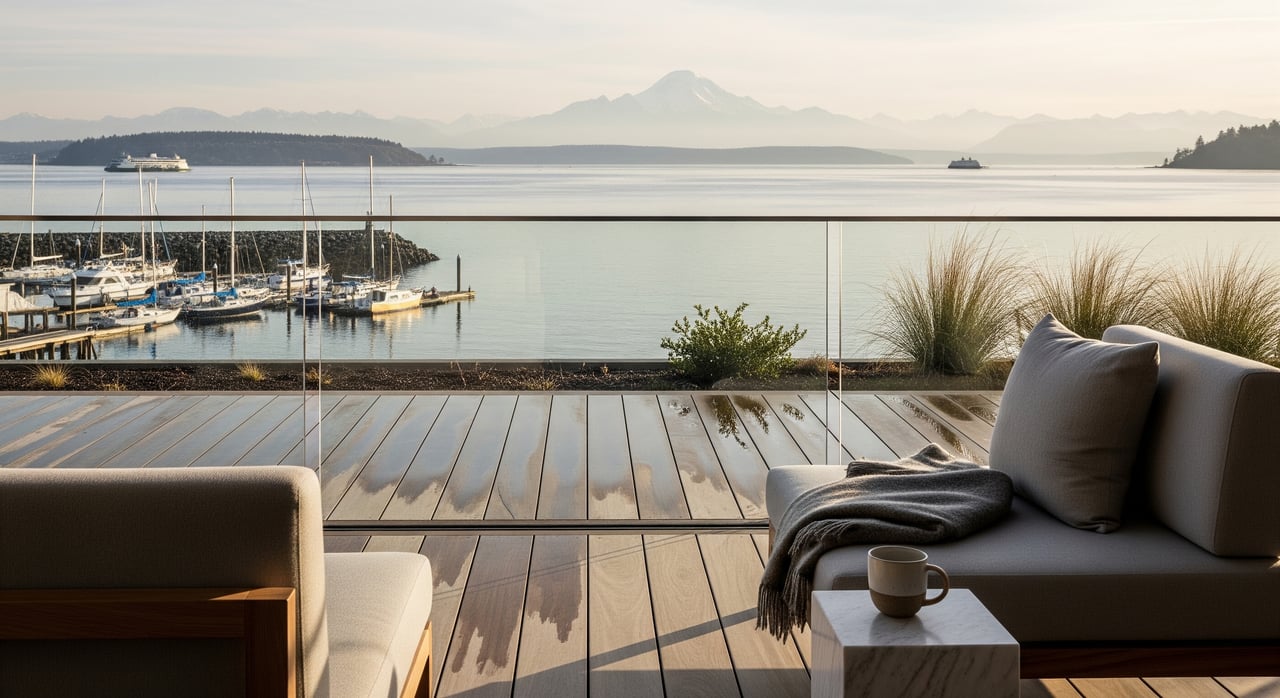
Imagine starting your morning with a shoreline walk, a coffee in hand, and ferries crossing Puget Sound in the distance. If that picture fits your pace, you may be drawn to everyday life near the Edmonds waterfront. You want convenience, charm, and real community without giving up regional access. In this guide, you’ll learn what daily living looks like here, from walkability and transit to parks, dining, housing, and practical tradeoffs. Let’s dive in.
Waterfront life at a glance
Edmonds sits on Puget Sound in Snohomish County, just north of Seattle’s core, and its downtown and waterfront are the city’s heart. You’ll find a compact, walkable center with independent shops, cafes, art venues, and a small‑town coastal feel. Homes range from older craftsman and mid‑century styles to newer infill and condominiums closer to the water.
The shoreline is the star. Public beaches, the marina, pedestrian promenades, and a ferry terminal set the rhythm of daily life. You can build routines around shoreline walks, boating or paddle sports, dining with a view, and easy access to regular community events concentrated downtown.
Walkability and daily errands
If you live in or near downtown, many errands become short walks. Cafes, restaurants, specialty food shops, galleries, and services are clustered near the waterfront and along the main streets. You can meet a friend for lunch, pick up a prescription, and catch a show without moving your car.
Outside the core, walkability drops to typical suburban levels. Many residents pair a walkable downtown visit with short drives for weekly grocery runs or specialty shopping. Local buses also fill in gaps for errands.
Getting around the region
The Edmonds–Kingston ferry connects you to the Kitsap Peninsula for commuting or weekend trips. Seasonal and weekend demand can be high, so plan for lines during peak times. The terminal’s presence adds a steady hum of activity and creates a unique waterfront energy.
Community Transit and Sound Transit provide bus connections to nearby hubs and regional routes. Many commuters use park‑and‑ride or local buses to reach regional rail or express bus service. Driving routes link Edmonds to north–south highways, making regional trips straightforward when traffic cooperates.
Biking and shoreline trails
Short shoreline trails and bike‑friendly streets near the core make casual rides and quick errands by bike easy. Some routes are better suited to experienced riders, especially where grades or traffic increase. The city continues to emphasize improvements for pedestrians and cyclists through downtown and the waterfront.
Parks and marina highlights
The waterfront parks and marina offer daily options for fresh air and saltwater views. You can stroll the beach, watch ferries and marine traffic, or try tidepooling at low tides. Fishing, launching small boats, and paddle sports are popular, and many public access points make it simple to get on the water.
Dog‑friendly areas exist, with local rules posted onsite. In most seasons, you will see a steady stream of walkers and families enjoying the paths, lawns, and lookout points.
Arts and year‑round events
Edmonds has a lively arts scene centered on local organizations and a performing arts venue that hosts shows, galleries, and classes. A seasonal farmers market and a summer arts festival bring extra energy to downtown. Smaller family‑oriented festivals, theater, and music keep the calendar active through the year.
During warmer months, expect more foot traffic and a festive feel in the core. Those event days can be a highlight if you enjoy a busy downtown.
Dining and local shopping
Downtown restaurants range from casual cafes and bakeries to seafood spots that play up the views. Many are independent, long‑standing businesses mixed with newer concepts. You’ll also find boutiques, galleries, and service providers clustered along walkable streets.
Full‑service groceries, banks, medical clinics, and professional services are within a short drive of downtown. Big‑box retail and larger stores are nearby in the region, so you can balance local shopping with broader options.
Housing near the waterfront
If low‑maintenance living is your goal, condominiums and townhomes are common near the shoreline and downtown. Single‑family homes tend to be older craftsman or mid‑century properties, with some newer infill mixed in. Inventory varies, and availability can shift from one season to the next.
Waterfront and downtown properties usually price above the citywide median because of location and views. Regional housing trends and interest rates influence demand, so it is smart to reference current MLS or local broker reports when you are ready to act.
Costs and daily living
Consumer prices reflect proximity to the greater Puget Sound metro area. Housing and services in the core typically cost more than in inland Snohomish County neighborhoods. Day‑to‑day costs like dining and specialty shopping in downtown align with a mix of local independent vendors and regional price levels.
Families and schools
Downtown and waterfront neighborhoods are served by the Edmonds School District. School boundaries can change, so confirm the current feeder patterns and programs for your specific address. Childcare and family services are available in town, with additional options in nearby suburbs and regional centers.
Environment and shoreline safety
Waterfront parcels are influenced by tides and marine weather. Winter storms can bring stronger waves and increased runoff, and conditions vary by site. Shoreline areas are managed for public access and safety, but each property’s exposure is unique.
Puget Sound communities are monitoring sea level rise and planning for long‑term adaptation. If you are considering a low‑elevation property, review local flood maps, property elevation, any shoreline protection, and potential insurance needs.
Parking, noise, and tourism
Downtown and waterfront parking combines on‑street spaces with municipal and private lots. On event days, summer weekends, and ferry peaks, expect more pressure on parking. Noise and foot traffic also rise during these periods.
On weekdays, the feel is more community focused. If you enjoy a lively downtown scene in summer but want quieter routines in winter, Edmonds offers that seasonal balance.
Planning, permits, and projects
Downtown and the waterfront include specific zoning districts that guide what can be built and how properties can be used. If you are dreaming of an addition or a new use, review the city’s zoning maps and rules for your parcel. Mixed‑use overlays and height limits can shape what is possible.
Shoreline modifications and certain renovations near the water often need permits from city or county agencies, and some projects may involve state environmental rules. If a remodel is part of your plan, speak with the City of Edmonds planning and permit office early to understand timelines and requirements.
Is this lifestyle a fit?
Consider these signals that the Edmonds waterfront lifestyle may fit you:
- You want a walkable core with coffee, dining, and arts close by.
- You like shoreline walks, boating, or simply being near the water.
- You value small‑city charm with regional access by car, bus, or ferry.
- You are comfortable with higher housing costs near the water.
Also weigh these tradeoffs:
- Seasonal visitor traffic can feel crowded on event days.
- Parking gets tight during summer weekends and festivals.
- Some bike routes and hills suit experienced riders more than casual cyclists.
- Waterfront parcels may require extra due diligence on elevation, permits, and insurance.
If you want help matching your goals to a specific block or building, you do not have to navigate it alone. With deep experience in Snohomish County and specialty knowledge of waterfront and complex properties, you can get tailored guidance on condos versus single‑family homes, commute tradeoffs, and renovation planning. When you are ready to tour or talk next steps, reach out to Pete Keating for local buyer or seller representation, relocation help, and a clear plan.
FAQs
Is downtown Edmonds near the waterfront walkable for daily errands?
- Yes; the downtown and waterfront core are highly walkable, while areas outside the core often require a car or transit.
How do you commute from Edmonds to Seattle or other hubs?
- Residents use a mix of car, bus, and ferry with park‑and‑ride connections; travel times vary by mode and time of day.
How busy does the Edmonds waterfront get in summer?
- Visitor traffic increases on summer weekends and during festivals, which adds activity, noise, and parking demand.
What property types are common near the Edmonds waterfront?
- You will see condominiums and townhomes, older single‑family homes, and some newer infill or mixed‑use developments.
Are waterfront homes in Edmonds at special environmental risk?
- Waterfront parcels face tidal influence and long‑term sea level considerations; review flood maps, elevation, protection, and insurance options.