Trying to decide between a Lake Stevens waterfront home and a neighborhood home? It is a bigger choice than just water views versus a standard lot. You are really weighing lifestyle, budget, maintenance, and long-term flexibility in one of Snohomish County’s most competitive markets. This guide will help you sort through the trade-offs so you can choose the option that fits how you actually want to live. Let’s dive in.
Lake Stevens Market at a Glance
Lake Stevens is a very competitive housing market. Redfin reports that homes receive about two offers on average, sell in around 23 days, and had a median sale price of $667,500 in March 2026.
Waterfront homes make up a much smaller part of the market. Current Redfin inventory shows 217 homes for sale in Lake Stevens overall, compared with just 5 waterfront homes. That limited supply is one reason waterfront properties often carry a premium.
Pricing can vary more than many buyers expect. Redfin shows a $750,000 median listing price for waterfront homes, while off-lake neighborhood median prices range from about $615,000 in West Lake Stevens to about $793,271 in South Lake Stevens. In other words, some neighborhood homes may be well below waterfront pricing, while others can land surprisingly close depending on location and features.
Waterfront Living in Lake Stevens
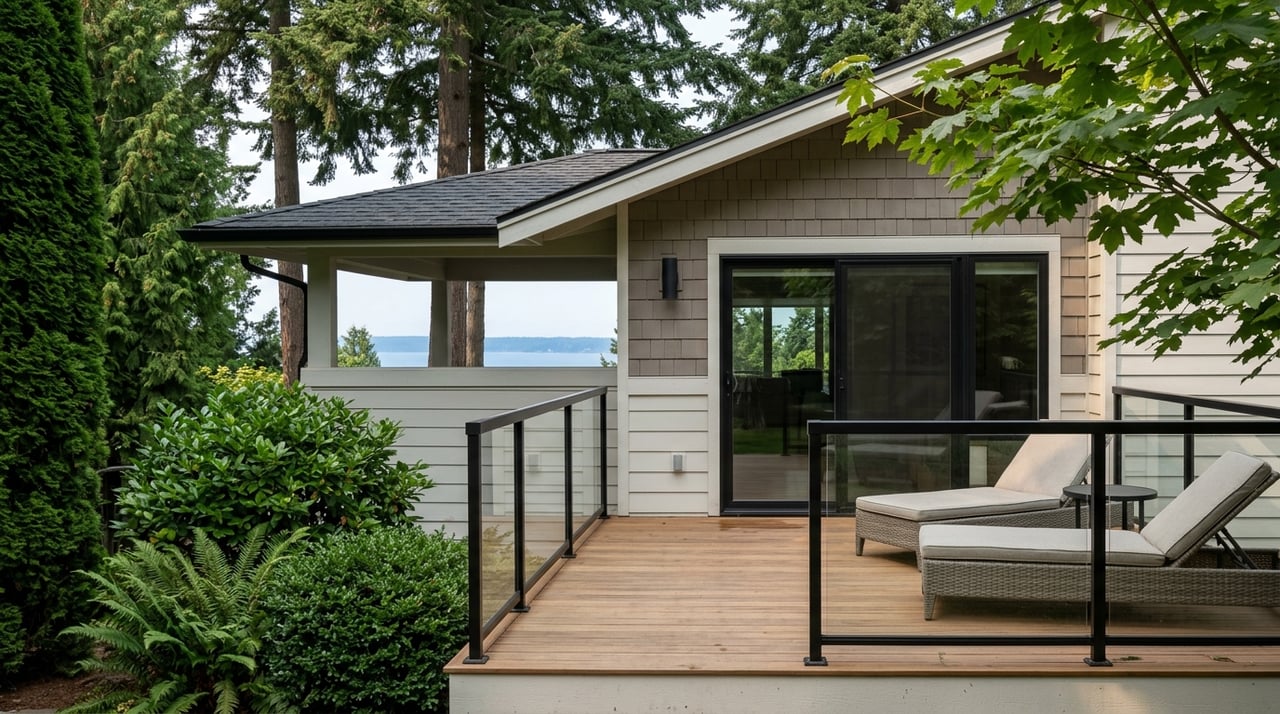
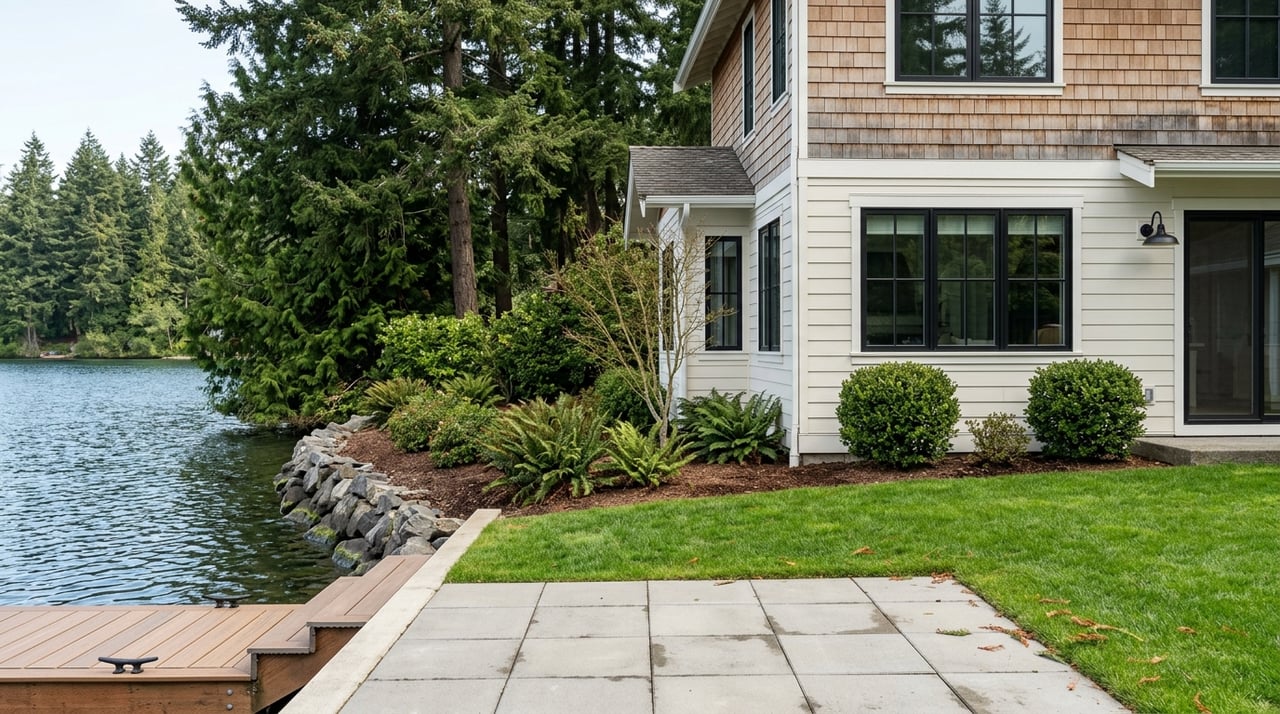
If the lake is the main reason you want to move, a waterfront home can deliver an experience that is hard to match. You may have direct access to the shoreline, closer views of the water, and a property that feels tied to one of the area’s best-known natural features.
Lake Stevens is the largest natural lake in Snohomish County. It covers more than 1,000 acres and reaches a maximum depth of 150 feet. That means waterfront living here is not just about scenery. It is also about active lake use and the routines that come with it.
What daily life can feel like
For many buyers, waterfront living is about convenience and connection. If you want boating, fishing, or simply spending time by the water to be part of your regular routine, private frontage may make that easier.
At the same time, lake living comes with shared-use realities. The city’s boating rules include a 35 mph speed limit, a counter-clockwise traffic pattern, and no-wake or 8 mph zones within 100 feet of docks, structures, or swimming areas. Those rules help shape what day-to-day waterfront use actually looks like.
Why waterfront often costs more
Scarcity matters in Lake Stevens. There are far fewer waterfront listings than standard neighborhood homes, and shoreline development is tightly regulated.
That combination can support a scarcity premium over time. Still, value is not automatic. Condition, view quality, shoreline access, dock rights, and buyer demand all play a major role in what a specific waterfront property is worth.
Neighborhood Homes in Lake Stevens
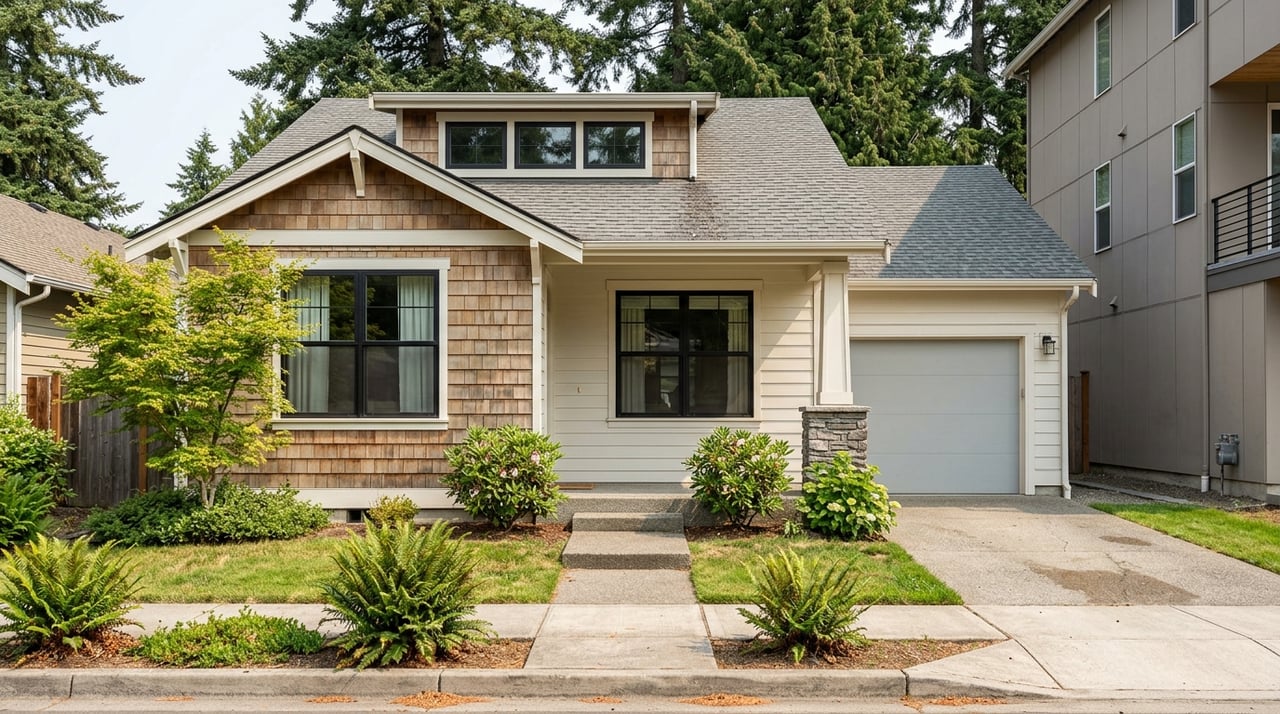
A neighborhood home can be the better fit if you want more options and fewer property-specific complications. In Lake Stevens, that often means a wider range of prices, lot layouts, and home styles.
This is especially important if your top priority is the house itself. You may care more about square footage, yard utility, storage, or overall layout than about owning the shoreline.
More choice and flexibility
With far more off-lake listings available, neighborhood buyers usually have more room to compare features and negotiate around priorities. That can be helpful in a competitive market where speed matters.
You may also find that an off-lake property gives you more practical use of your budget. Instead of paying mainly for private frontage, you can often focus on the home’s interior, lot setup, or future flexibility.
Lake access is still possible
Choosing a neighborhood home does not mean giving up the lake. The city maintains two public boat launches, North Cove and Davies Beach, both with two-lane launches and ADA-accessible docks.
The cost is also fairly approachable for many households. The city charges $10 per day, or annual passes of $60 for residents and $75 for nonresidents. If you want regular boating or fishing access without owning shoreline property, this can make off-lake living much more practical.
Key Trade-Offs to Consider
The best choice usually comes down to how you rank a few core priorities. Lake Stevens is not a walkable city, with a Walk Score of 23 on Redfin, so most buyers are not choosing between an urban lifestyle and a suburban one.
Instead, you are often deciding how much value to place on private lake access versus home features, yard space, and ease of ownership.
Waterfront vs neighborhood at a glance
| Factor | Waterfront Home | Neighborhood Home |
|---|---|---|
| Inventory | Very limited | Much broader selection |
| Price | Often carries a premium | Wider range of price points |
| Lake access | Private or direct access potential | Public access options available |
| Maintenance | Often more involved | Usually simpler |
| Regulations | More shoreline rules and review | Fewer shoreline-specific issues |
| Lifestyle fit | Best if the lake is your main amenity | Best if you want flexibility and practical value |
Shoreline Rules Matter More Than You Think
One of the biggest differences between these property types is regulation. Lake Stevens’ Shoreline Master Program applies to the lake and to shorelands within 200 feet of the ordinary high-water mark.
That means waterfront ownership can involve extra review for changes and improvements. These local shoreline rules are meant to protect natural resources, public access, and water-dependent uses.
Docks and improvements need careful review
If a dock is part of your plan, you should verify its status before writing an offer. City code says buildings or structures may not extend outward from the lake except docks, and private docks have size limits.
If no legal docks exist within 300 feet on either side, the maximum private dock length is 50 feet. Buyers should also confirm whether a dock is permitted, legally nonconforming, or subject to current shoreline review before assuming it can be repaired, replaced, or expanded.
Septic and lake stewardship can affect ownership
Waterfront ownership also comes with added responsibility around lake health. The city uses annual alum treatments to reduce phosphorus and limit harmful algal blooms, and it asks residents to maintain septic systems, limit fertilizer, and manage pet waste.
Snohomish County Health Department says homeowners must inspect and maintain septic systems, and the county certifies septic installation in Snohomish County. If a property relies on septic, that is an important part of your due diligence.
How to Decide Which Home Fits You
If the lake itself is the reason you are moving, waterfront may be worth the higher price and added complexity. That is especially true if direct access, shoreline views, or dock use would shape your everyday lifestyle in a meaningful way.
If your real goal is more house, more usable yard, or more flexibility in price and layout, a neighborhood home may be the smarter buy. You can still enjoy Lake Stevens through public access while avoiding some of the ownership and permitting issues that come with private frontage.
Questions to ask yourself
- Do you want the lake to be your main amenity, or just one part of life in Lake Stevens?
- Would public boat launches meet your needs for boating, fishing, or swimming?
- Are you comfortable with shoreline rules, possible dock limits, and extra maintenance?
- Would your budget go further in a neighborhood setting with more house or lot utility?
- If you buy waterfront, have you confirmed shoreline jurisdiction, dock status, setbacks, and septic or drainage issues?
A Smart Buying Strategy in Lake Stevens
In a competitive market, clarity matters. If you know your must-haves before touring homes, you can move faster and avoid chasing a property type that does not really fit your goals.
For waterfront buyers, that means looking beyond the view and checking the practical details early. For neighborhood buyers, it means comparing whether public lake access gives you the lifestyle you want without paying for private frontage.
The right choice is the one that matches how you want to live, what you want to maintain, and how you want to invest your budget over time. If you want a local perspective on how specific Lake Stevens properties compare, call or text Pete Keating for a local market consultation.
FAQs
What is the price difference between Lake Stevens waterfront and neighborhood homes?
- Redfin shows a current median listing price of $750,000 for waterfront homes, while off-lake neighborhood medians range from about $615,000 in West Lake Stevens to about $793,271 in South Lake Stevens.
Can you enjoy Lake Stevens without buying a waterfront home?
- Yes. The city operates public boat launches at North Cove and Davies Beach, with daily and annual pass options that make regular lake access realistic for many off-lake homeowners.
What shoreline rules affect Lake Stevens waterfront homes?
- Lake Stevens’ Shoreline Master Program applies to the lake and shorelands within 200 feet of the ordinary high-water mark, which can affect improvements, setbacks, and shoreline use.
Do Lake Stevens waterfront homes have special dock rules?
- Yes. Private docks are subject to city code, including size limits, and buyers should verify whether an existing dock is permitted, legally nonconforming, or subject to current shoreline review.
Is a neighborhood home in Lake Stevens better for budget flexibility?
- In many cases, yes. Off-lake homes offer a wider range of prices and features, which can make it easier to prioritize house size, lot utility, or layout instead of paying for private shoreline.
What should buyers verify before making an offer on a Lake Stevens waterfront home?
- Buyers should verify shoreline jurisdiction, dock status, septic or drainage issues, and any setback constraints before moving forward.