Wondering what it’s really like to live near Mill Creek Town Center? If you want everyday convenience, easy access to parks and trails, and a range of housing choices, this part of Mill Creek stands out for practical reasons. Whether you are planning a move, starting your home search, or comparing neighborhoods in Snohomish County, this guide will help you understand how the area functions day to day. Let’s dive in.
Daily life near Town Center
Mill Creek Town Center serves as a central hub for errands, dining, and services. According to the official Town Center site, it is located on Bothell-Everett Highway about half a mile north of SW 164th Street and features more than 85 stores. That gives you a concentrated place for many everyday needs instead of scattering trips across a wider area.
The City of Mill Creek describes Town Center as an award-winning lifestyle center and a place to shop and gather. In practical terms, that means it works as more than a retail spot. For many residents, it functions as part of the rhythm of daily life.
Seasonal and recurring events also shape the experience. The Town Center calendar includes Art Walks, Happy Hour, Kids Fest, Santa’s Coming To Town, Summer Concert Series, and Wine Walks. That mix helps keep the area active across different seasons and gives you regular chances to enjoy the neighborhood close to home.
Parks and trails close by
One of the biggest lifestyle advantages near Town Center is how close you are to outdoor space. The city says Mill Creek has 11 city parks, along with neighborhood parks and trails. That broader park system adds another layer to living near the commercial core.
A key feature is the North Creek Trail, which runs along the North Creek Greenway from McCollum Park to the southern city limits. The city notes that there are trail entrances along Main Street, and amenities include a bike path, benches, and picnic tables. If you like walking, biking, or simply having green space nearby, that is a meaningful everyday benefit.
City planning documents also support the connection between Town Center and the trail system. The Town Center design guidelines call for trail linkages between Town Center, City Hall, nearby commercial areas, residential neighborhoods, and eventually McCollum Park. For you as a buyer, that points to an area designed around both convenience and access.
Community spaces and events
Mill Creek uses both Town Center and its public spaces as gathering places throughout the year. In 2026, city events include Pianos on Main from June 29 to September 8, the Eggstravaganza Spring Festival on April 4, and an Earth Day trail cleanup on April 25. These examples show how the city activates both built spaces and outdoor spaces.
That matters because lifestyle is not only about what is nearby on a map. It is also about how often people use those places. A neighborhood can feel more connected when community events are part of the local calendar.
Housing options near Mill Creek Town Center
If you are searching near the center itself, you will likely see a different housing mix than in some outlying residential areas. The city’s Town Center design guidelines encourage residential buildings within Town Center and describe mixed-use buildings with ground-floor office or retail and up to four stories of residential units. As a result, housing close to the core is more likely to include apartments, condos, and other attached homes.
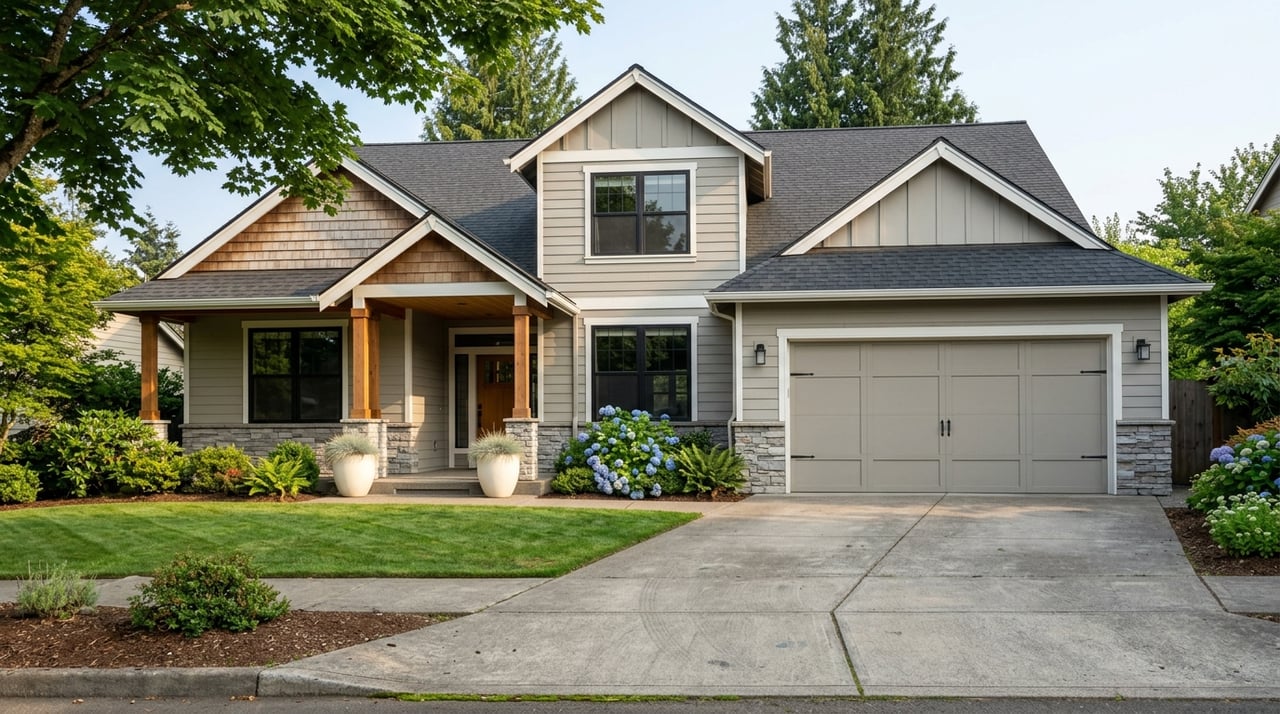
That does not mean the broader Mill Creek area has only one type of housing. City records show a variety of housing types across the community, including single-family detached, single-family attached, and multifamily units. This wider mix gives buyers more than one path depending on budget, space needs, and lifestyle priorities.
What housing types you may find
City plat map records show examples of condos, apartments, townhomes, and subdivisions across Mill Creek. Examples listed in city records include The Meadows Condos, Mill Creek Village Condo, Nature’s Landing Condominiums, Mill Creek Meadows Apartments, The Towns at Mill Creek Townhomes, Crestview Village Phase II, and Creekside West. These records reflect a broad range of residential formats rather than a one-size-fits-all market.
For detached and attached homes, city project records provide more detail. Crestview Village Phase II was approved as 25 lots for single-family residential development, while Creekside West was approved as ten single-family attached lots. If you want more interior living space, a yard, or a different ownership style, the city’s housing stock does include those options beyond the Town Center core.
Mixed-use growth near the center
A useful example of development near Town Center is the East Gateway area. City documents describe a project there that included 180 apartments, 122 townhomes, two commercial lots, and a 1.25-acre neighborhood park. That kind of layout shows how housing, retail, and open space can be blended in a walkable setting.
For buyers, this matters because it gives you a clearer picture of what “living near Town Center” can actually mean. In some spots, it may mean attached housing close to shops and services. In others, it may mean being a short drive or walk away while still living in a more traditional neighborhood setting.
What this means for buyers
If you are in the early stages of your search, the main draw here is balance. You can have close access to restaurants, shopping, and services while still being connected to parks, trails, and a broader suburban housing mix. That combination gives Mill Creek a feel that is both convenient and outdoors-oriented.
This can be especially helpful if you are relocating within the Seattle-Bellevue-Everett area or moving into Snohomish County for the first time. Rather than choosing between walkability and neighborhood-style living, you may find a mix of both depending on where you focus your search.
It also helps to think about what your daily routine looks like. If you value short trips for errands, nearby public spaces, and housing choices that range from condos to detached homes, Mill Creek Town Center and the surrounding area may be worth a closer look.
Why the area may keep evolving
The area around Town Center is not standing still. The city’s current South Town Center subarea work is intended to extend the existing Town Center with new housing, shops, jobs, and public gathering spaces. The city also says this effort is meant to expand housing choices while supporting long-term community vitality.
For you, that signals future change and possibly more options over time. If you are considering buying near Town Center, it can be helpful to look not only at what is there today, but also at how the city is planning for the area’s next phase.
If you want help comparing neighborhoods, weighing housing types, or narrowing your search in Mill Creek and the surrounding Snohomish County market, call or text Pete Keating for a local market consultation.
FAQs
What is Mill Creek Town Center like for daily errands and dining?
- Mill Creek Town Center is the city’s main convenience and gathering district, with more than 85 stores offering dining, shopping, and services in one central area.
What parks and trails are near Mill Creek Town Center?
- Mill Creek has 11 city parks plus neighborhood parks and trails, and the North Creek Trail includes Main Street access along with amenities like a bike path, benches, and picnic tables.
What housing types are available near Mill Creek Town Center?
- Near the Town Center core, you are more likely to find apartments, condos, and other attached housing, while the broader Mill Creek area also includes single-family detached, single-family attached, and multifamily homes.
What does mixed-use housing near Mill Creek Town Center mean?
- In this area, mixed-use generally refers to developments that combine residential living with ground-floor office or retail, often in a more walkable setting close to services and open space.
Is Mill Creek planning more housing near Town Center?
- Yes, the city’s South Town Center subarea work is intended to extend the existing Town Center with new housing, shops, jobs, and public gathering spaces while expanding housing choices.