Selling a historic Everett home can feel like walking a fine line. You want to highlight the charm that makes your property special, but you also need to be careful about repairs, disclosures, permits, and buyer questions. If you are getting ready to list an older home in Everett, this guide will help you understand what to prep, what to document, and how to move from listing to closing with fewer surprises. Let’s dive in.
Everett historic homes come with extra considerations
Everett has a well-established historic preservation program, and that matters when you sell an older property. The city’s program is administered by the Everett Historical Commission and includes the Everett Register, historic overlay districts, and historic surveys and inventories.
In Everett, the historic overlay zones include Rucker-Grand, Norton-Grand, and Riverside. The city says these areas have design standards and neighborhood conservation guidelines that help additions and new development reflect historic character. If your home is in one of these areas, it is smart to confirm how prior work was handled and whether any future work may need review.
It is also important to know that not every old home is officially historic. A home can be older and still not be on the Everett Register or the National Register. That distinction matters when you market the home and when you answer buyer questions about designation, approvals, and possible incentives.
Start with the home’s story and paperwork
Before you paint, patch, or schedule photos, gather the paper trail. Older homes tend to raise more buyer questions, especially around remodeling, repairs, roof history, water issues, and permit records.
Washington’s seller disclosure form asks about conversions, additions, remodeling, permits, final inspections, roof leaks, basement leaks or flooding, settlement, and defects in systems like foundations, windows, siding, and chimneys. For a historic Everett home, that means your records matter just as much as your curb appeal.
Try to collect documents such as:
- Building permit records
- Final inspection records
- Contractor invoices
- Warranty information
- Repair receipts
- Historic district or Historical Commission correspondence
- Any records related to special valuation paperwork
- Lead-related reports or disclosures, if applicable
When you have this information ready early, you can answer questions faster and support your disclosure statements with confidence.
Decide what to repair before listing
With an older home, the goal is usually not to make it look brand new. The better approach is to fix problems that could worry buyers while preserving the features that give the house its identity.
The National Park Service says rehabilitation should preserve historic materials and features, avoid removing historic materials or changing character-defining elements, and use replacement materials that match the original in design, color, texture, and, when possible, materials. In practical terms, that means repairing failing components without stripping out the details buyers love.
Focus first on issues that affect buyer confidence, such as:
- Active leaks n- Deteriorated roofing or flashing
- Electrical or plumbing concerns
- Damaged siding or trim
- Unsafe stairs, porches, or decks
- Broken windows or failing hardware
- Moisture intrusion in basements or crawlspaces
Be cautious with cosmetic updates. Distinctive craftsmanship, original trim, built-ins, old-growth woodwork, and historic proportions often help a home stand out. Over-updating can reduce the very character that gives the property appeal.
Be careful with exterior work and permits
One of the biggest mistakes sellers make is rushing into pre-listing work without checking permit or preservation requirements. Everett Permit Services says a permit is required for most work unless the code specifically exempts it, and work is not supposed to begin before the permit is in place.
The city’s residential permit checklist covers projects such as remodeling, additions, re-roofing, decks, porches, and exterior stairs. If you are planning to tackle a visible repair before listing, it is worth verifying whether permits are needed and whether the work was properly finalized if it was done in the past.
If your property is on the Everett Register, there is an added layer. The city says owners must consult the Historical Commission before major work and obtain a Certificate of Appropriateness. That is especially important if your pre-sale plans involve exterior changes or major alterations.
Do all exterior changes need city approval?
Not always, but you should not guess. Everett’s overlay zones have design standards, and Everett Register properties require Historical Commission review for major work. If you are unsure, it is better to pause and verify than to create a disclosure issue right before listing.
Handle lead-based paint rules correctly
If your Everett home was built before 1978, lead-based paint rules are part of the sales process. Federal law requires sellers and their agents to disclose known lead-based paint hazards, provide the required pamphlet, share available records and reports, and give buyers a 10-day opportunity to conduct a lead inspection or risk assessment unless the buyer waives it.
This is one area where preparation really helps. If you already have records, reports, or documentation from prior work, gather them before the home goes live. That makes it easier to complete the required paperwork and respond to buyers quickly.
If you plan to do pre-listing work that disturbs painted surfaces, use extra caution. EPA renovation rules are designed to reduce lead dust exposure during repair, renovation, and painting work on pre-1978 homes, and consumers are encouraged to choose certified firms.
Consider a pre-listing inspection
A pre-listing inspection is not required, but it can be especially useful for a historic home. Older properties often have quirks, deferred maintenance, or repairs completed over many years, and buyers tend to look closely at all of it.
According to the research, sellers sometimes order a pre-listing inspection to get a clearer picture of the home’s condition and more control over repairs before buyers start negotiating. Common inspection areas include the structure, roof, plumbing, electrical system, heating and air conditioning, ventilation and insulation, and fireplaces.
For a historic Everett seller, that early information can help you decide what to fix, what to disclose, and what to price for. It can also reduce the chance of being caught off guard during escrow.
Stage the home to highlight character
Historic homes do not need generic staging. They need thoughtful presentation that helps buyers appreciate the layout, craftsmanship, and lifestyle of the property.
That matters because staging can influence how buyers respond. In the 2025 staging report cited in the research, 83% of buyers’ agents said staging made it easier for buyers to visualize a property as a future home. The same report found that 29% of agents said staging produced a 1% to 10% increase in the dollar value offered.
For an older Everett home, good staging often means:
- Keeping rooms open and easy to move through
- Letting original millwork or built-ins stand out
- Using furnishings that fit the scale of the home
- Reducing visual clutter around fireplaces, windows, and entryways
- Creating a clean, cared-for feel without hiding historic details
You are not trying to make the home look like every other listing. You are helping buyers picture themselves living in a home with real character.
Market the property with precision
Historic-home marketing should be accurate, specific, and grounded in facts. Everett’s Downtown Historic Preservation Plan even supports the preservation, enhancement, and marketing of historic properties, which reinforces the value of telling the home’s story well.
That story should include the details that matter most, such as:
- Approximate age of the home
- Architectural style, if documented
- Notable updates and when they were completed
- Permit and inspection history, when available
- Whether the home is simply older, on the Everett Register, or on the National Register
- Any verified special valuation status
Be careful not to blur these categories. Age alone is not the same as official historic designation. Clear language helps avoid confusion and builds trust with buyers.
Use visuals to show what words cannot
Photos, video, and virtual tours matter for every listing, but they are especially important for homes with architecture and details that buyers need to experience visually. In the 2025 staging report, buyers’ agents rated photos as highly important 73% of the time, videos 48%, and virtual tours 43%.
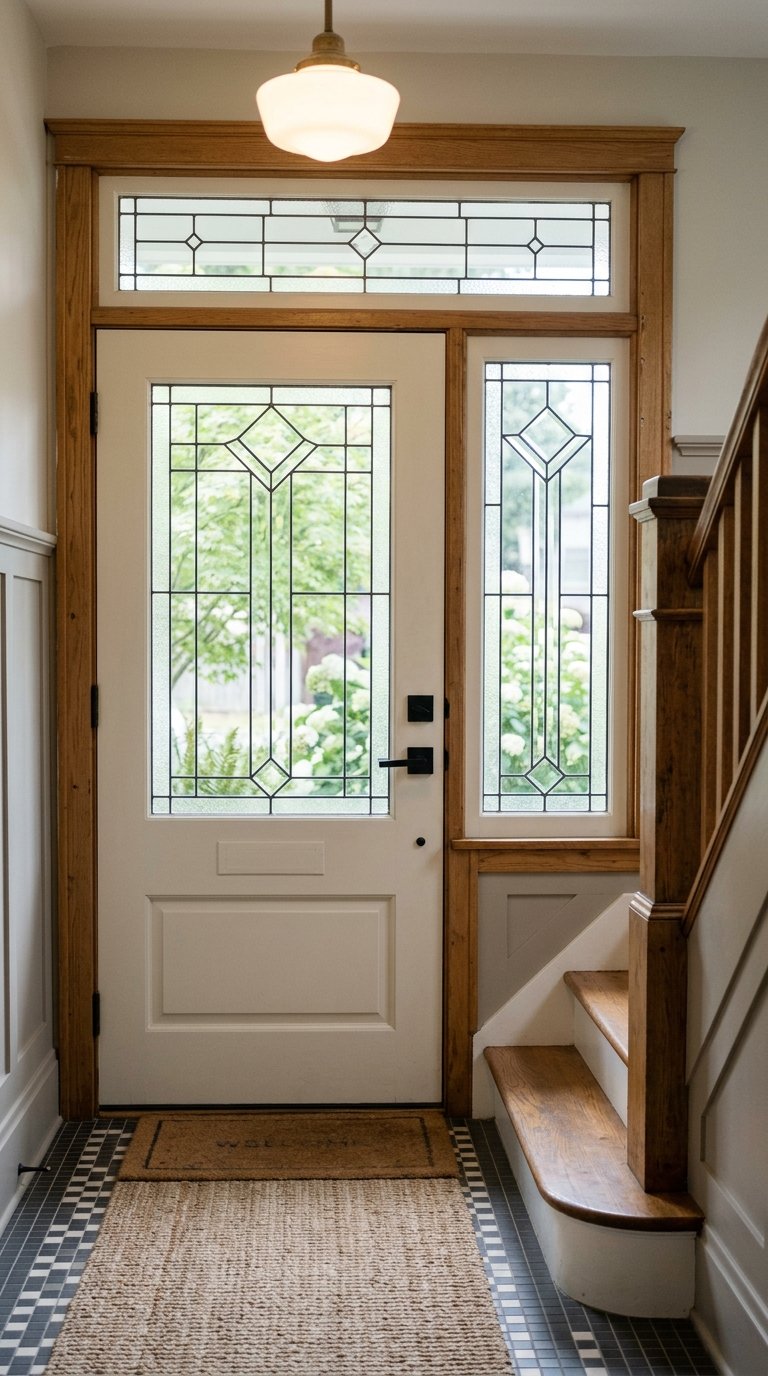
For a historic Everett home, visuals should emphasize features like original woodwork, front porches, built-ins, staircase details, window patterns, and the relationship between the house and its setting. Strong visuals help buyers understand why the home is different from a standard resale listing.
Know how incentives really work
Some sellers assume that any old house may qualify for tax benefits, but the rules are narrower than many people expect. Everett notes that local special valuation may be available for certain historic properties.
At the same time, the Washington Department of Archaeology and Historic Preservation says the federal historic tax credit applies to National Register-listed, income-producing buildings rather than owner-occupied residences. If you believe your property may qualify for a local incentive, verify the status and be careful to market it accurately.
Prepare for closing before you list
The smoothest closings usually begin long before you accept an offer. Historic homes tend to generate more follow-up questions during escrow, so an organized file can save time and reduce stress.
Your closing file should ideally include key documents such as permit cards, final inspection records, contractor invoices, warranty information, lead disclosures, historic-district correspondence, and any special valuation paperwork. Having those records ready helps support your disclosures and gives buyers more confidence in the transaction.
Can you sell a historic Everett home as-is?
Yes, but that does not mean buyers will ignore condition. An as-is sale generally means you are not making guarantees about condition and do not plan to make repairs, even if the buyer conducts inspections. You still need to handle required disclosures accurately, and buyers may still negotiate based on what they find.
Why local guidance matters
Selling a historic Everett home is rarely a cookie-cutter process. Between preservation considerations, permit history, disclosure questions, and marketing strategy, small decisions can have a big effect on how smoothly your sale goes.
If you want help preparing, positioning, and marketing an older Everett home with the care it deserves, call or text Pete Keating for a local market consultation.
FAQs
Should I get a pre-listing inspection for a historic Everett home?
- It is optional, but it can give you a clearer picture of condition and more control over repairs before buyers begin negotiating.
Do Everett historic overlay zones affect selling prep?
- They can, because Everett’s overlay zones have design standards that may matter if you are planning exterior changes before listing.
Does an Everett Register home need special approval for major work?
- Yes. The city says owners must consult the Historical Commission before major work and obtain a Certificate of Appropriateness.
Do I need lead-based paint disclosures when selling an older Everett home?
- If the home was built before 1978, sellers must disclose known lead-based paint hazards, provide the required pamphlet and records, and give buyers a 10-day opportunity for an inspection unless waived.
Can I market my older Everett home as historic?
- You should be accurate and specific. An older home is not automatically the same as a home on the Everett Register or the National Register.
Are there tax incentives for selling a historic Everett property?
- Possibly, but they are limited. Everett notes local special valuation for certain historic properties, while the federal historic tax credit applies to National Register-listed, income-producing buildings rather than owner-occupied homes.