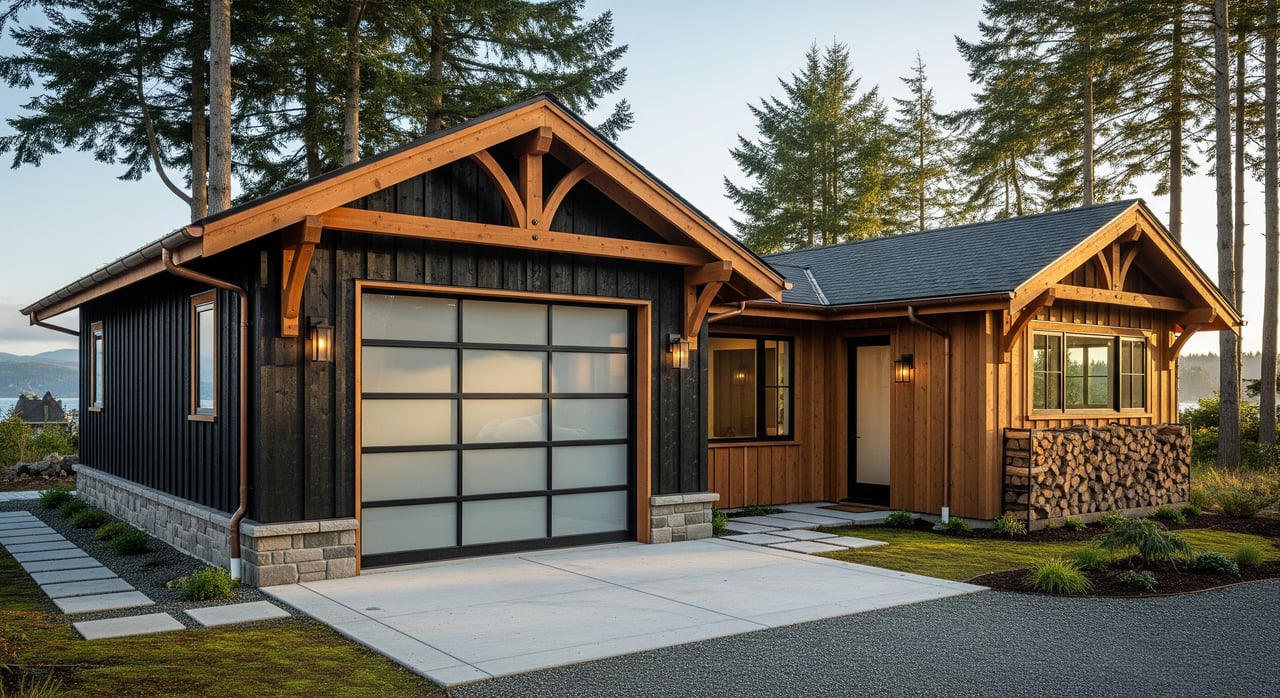
Thinking about a home with a serious garage, shop, or detached outbuilding in Marysville? You are not alone. Hobbyists, small contractors, and car enthusiasts all love the extra space, but the details can feel complicated. In this guide, you will learn how zoning, permits, utilities, insurance, and value work in Marysville and greater Snohomish County so you can plan with confidence. Let’s dive in.
Why Marysville is shop friendly
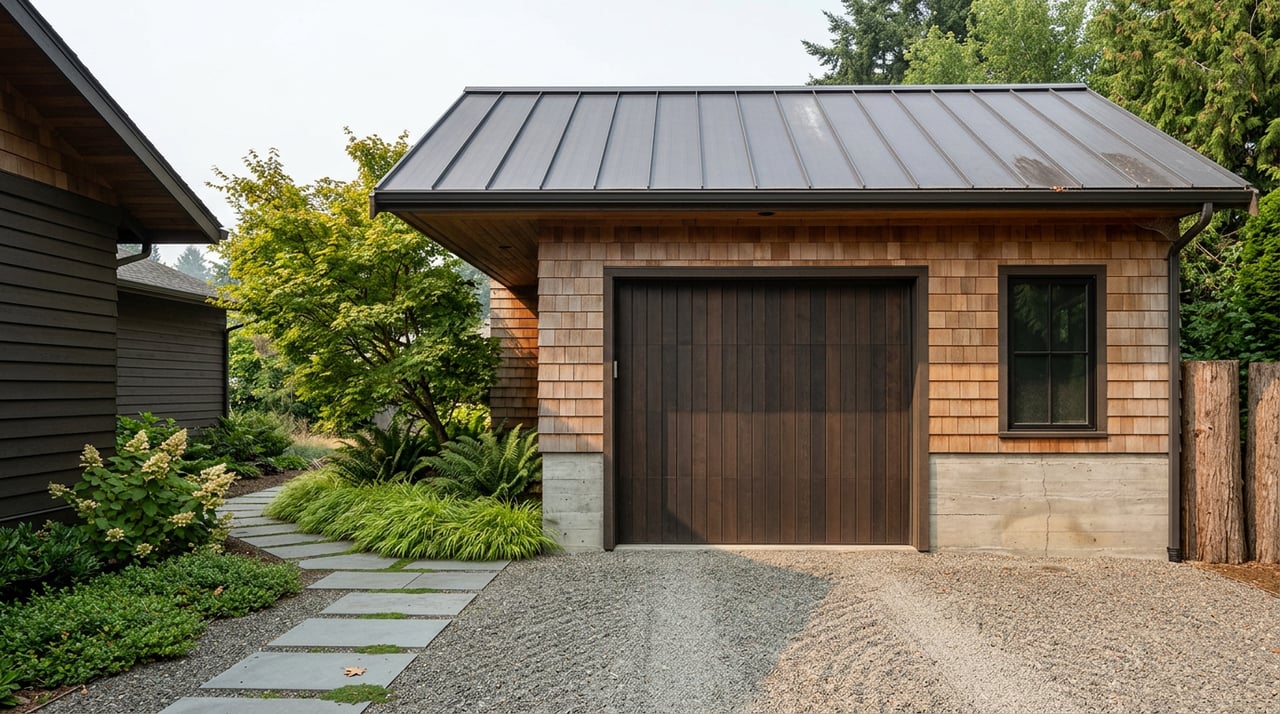
Marysville has a mix of suburban neighborhoods and more rural parcels on the edges of town. Larger lots often include detached garages, pole buildings, or hobby shops that appeal to people who need workspace. Some properties rely on wells and on-site septic systems, which affects how you add plumbing or convert space later.
Start with a quick jurisdiction check. If you are inside city limits, the City of Marysville handles zoning and permits. If you are outside city limits, Snohomish County takes the lead. Use the city’s Community Development resources or the county’s Planning and Development Services page to confirm which rules apply to your property.
Zoning and allowed uses
Most residential zones allow accessory buildings like garages, sheds, or shops. Size, height, setbacks, and total lot coverage all come into play. If your plans involve client visits, production work, or significant storage, you may trigger home-occupation rules or need additional approvals from the City of Marysville.
Home businesses are regulated to limit noise, odors, traffic, signage, and on-site employees. Many buyers can do quiet office or hobby work in a shop with no issue, but operating a full commercial shop from a residential lot often requires extra review. The city’s Community Development staff can explain how home occupations are treated and what is allowed at a given address.
Permits: when you need them
In Washington, model building codes are adopted statewide and enforced locally. That means most structural changes, new accessory buildings over small-size thresholds, major electrical or HVAC upgrades, or any conversion to habitable space need permits. For big-picture code questions, the Washington State Building Code Council publishes statewide standards that cities and counties use.
Many jurisdictions exempt very small, non-habitable accessory buildings from building permits. A common threshold is roughly 120 to 200 square feet. Thresholds vary, so verify the size rules and setbacks with the City of Marysville or Snohomish County before you build.
Electrical and utilities checklist
If you want a shop that actually works for tools and projects, plan your utilities early.
- Electrical capacity. Heavy equipment, welders, compressors, and large motors may require a 200-amp main service, a subpanel, and dedicated 240V circuits. Electrical upgrades typically need permits and inspections.
- Water and plumbing. Sinks, restrooms, or washing stations add convenience but trigger plumbing permits. If the property is on a well, confirm well capacity and location before trenching lines.
- Sewer or septic. Adding plumbing to a shop on septic often requires a system review to confirm capacity. The Snohomish Health District can help you locate records and understand approval steps.
- Fuel and chemical storage. Gasoline, diesel, and solvents are regulated under fire codes. Storage limits, approved containers, and ventilation are key. Expect fire prevention review if quantities are above typical residential use.
Converting a shop to living or business space
Turning a detached shop into an office, ADU, or rental unit triggers full building-code review. You will need to address insulation, egress, fire separation, ventilation, and proper utility connections. On septic, an added bathroom may require capacity upgrades.
If you want to operate a business out of the shop, start with the city on home-occupation rules. Some uses are fine, while others may be prohibited or require special approval. You will also need to register your business with the state’s Business Licensing system. Align the zoning rules, permits, and licensing before you invest in build-outs.
Insurance and risk basics
Standard homeowners policies usually include “other structures” coverage for detached buildings like shops and garages. The limit is often a percentage of the dwelling coverage, commonly 10 percent, but insurers differ. The Insurance Information Institute and the Washington State Office of the Insurance Commissioner both explain how coverage works and why endorsements may be needed for unique uses.
If you run a business from your shop, homeowners coverage may exclude losses tied to operations, inventory, or client injuries. You may need a business policy or specific endorsements to protect equipment and manage liability. If you use hazardous materials or perform higher-risk work like welding or painting, expect your insurer to require safety measures or a commercial policy.
Marysville also has flood and earthquake risk in mind. Low-lying areas and parcels near waterways can carry flood risk, which may limit insurability or require elevation measures. Use the FEMA Map Service Center to see if a property lies in a mapped flood zone. Seismic requirements are addressed in the building code, but you should still anchor heavy equipment and secure fuel tanks for safety.
Value and appraisal: what to expect
Appraisers do not count detached shops and garages as Gross Living Area. Instead, they record them as site improvements and apply the cost approach or adjust sales comparisons if similar properties are available. In short, a great shop adds value, but it is usually not dollar-for-dollar with what you paid to build it.
Function matters. Insulation, heat, quality lighting, finished floors, 240V power, and good storage all increase a building’s contributory value compared with a basic shed. Market norms also matter. In neighborhoods where few homes have a real workshop, a finished shop can be a standout feature. In areas where shops are common, it may be expected.
Lenders and appraisers can be conservative. If you price a listing based on replacement cost alone, you may face an appraisal gap. Keep permits, specs, and utility details handy so the appraiser can accurately reflect the shop’s quality and utility.
Buyer steps: a quick checklist
- Confirm jurisdiction and zoning. Verify whether the address is in Marysville city limits or unincorporated Snohomish County, and review allowed uses.
- Inspect the structure. Have a general inspector evaluate the shop’s foundation, framing, doors, and roof.
- Verify electrical capacity. Ask a qualified electrician to confirm main service size, subpanel quality, and 240V circuits.
- Evaluate plumbing and septic. On septic, request a system inspection and confirm capacity for any planned bathroom.
- Ask about past use. If the shop was used for auto repair or painting, consider an environmental screening or targeted soil test.
- Talk to your insurer early. If you plan to run a business or store equipment, request quotes for the intended use.
Seller prep: documents and listing details
Gather and share proof that your shop is safe, legal, and useful. Buyers pay attention to details.
- Permits and finals. Building, electrical, plumbing, and mechanical permits plus final inspection records.
- Utility specs. Main service amperage, subpanel info, 240V circuits, heating type, insulation details, ventilation, slab thickness, door clearance, and ceiling heights.
- Septic and well. Recent maintenance and inspection reports if applicable.
- Use history. Disclose any business activity, painting, or auto work, and note any cleanups.
- Safety and upgrades. Evidence of GFCI protection, proper fuel storage, ventilation, and recent improvements.
Simple improvements that boost appeal
- Declutter and stage the workspace so buyers can see usable floors and benches.
- Label circuits and leave out copies of permits and inspection cards.
- Add practical touches like LED task lighting, heat, organized storage, and clear driveway access.
- If you ran a business in the shop, keep documentation showing it complied with local rules.
Special notes for well and septic properties
If you plan to add water or a bathroom to a detached building on septic, the system’s size and condition matter. The Snohomish Health District can help you locate records and explain approval steps for modifications. Building code items like insulation, egress, and fire separation still apply once space becomes habitable.
Common Marysville scenarios
- You want to weld and run a big compressor. Confirm service amperage, panel capacity, and 240V circuits. If you need a 200-amp upgrade, plan for permits and utility coordination.
- You want a quiet home office over the garage. A conversion triggers full building-code review, including insulation, egress, and heating. Factor in time for permits and inspections.
- You want to see clients at your shop. Check home-occupation rules with the City of Marysville, then review parking, noise, and signage limits. Talk to your insurer about liability coverage.
- You want to add a half bath in the shop on septic. Confirm system capacity first. You may need permitting and septic review before trenching plumbing lines.
The bottom line
Shops, garages, and outbuildings are a real asset in Marysville. With the right checks on zoning, permits, utilities, insurance, and value, you can buy or sell with clarity. If you want help evaluating a specific property or prepping your listing with the right shop details, reach out. Pete Keating is happy to talk through your plans and next steps.
FAQs
What are the basic rules for home businesses in a Marysville shop?
- Marysville regulates home occupations with limits on employees, signage, client visits, noise, and odors. Start with the city’s Community Development team to confirm what is allowed at your address.
Do detached garages count in a home’s square footage on appraisal?
- No. Appraisers typically do not include detached shops and garages in Gross Living Area. They record them as site improvements and adjust value based on quality, size, and market comparables.
How much homeowners insurance covers a detached shop?
- Many policies insure “other structures” at a percentage of dwelling coverage, often around 10 percent. Coverage varies by insurer and use, so confirm details with your carrier or review basics from the Insurance Information Institute.
How can I check if a Marysville property is in a flood zone?
- Search the address on the FEMA Map Service Center. Properties in mapped flood zones may require flood insurance and need specific building standards for new or improved structures.
Can I add a bathroom to a detached shop on septic?
- Maybe. You will likely need a septic capacity review and permits before adding plumbing. The Snohomish Health District can help you find records and outline the approval process.
Do I need a state license to run a business from my shop?
- Yes, most businesses need to register with Washington’s Business Licensing system. Also confirm home-occupation rules and any city business requirements before opening to clients.