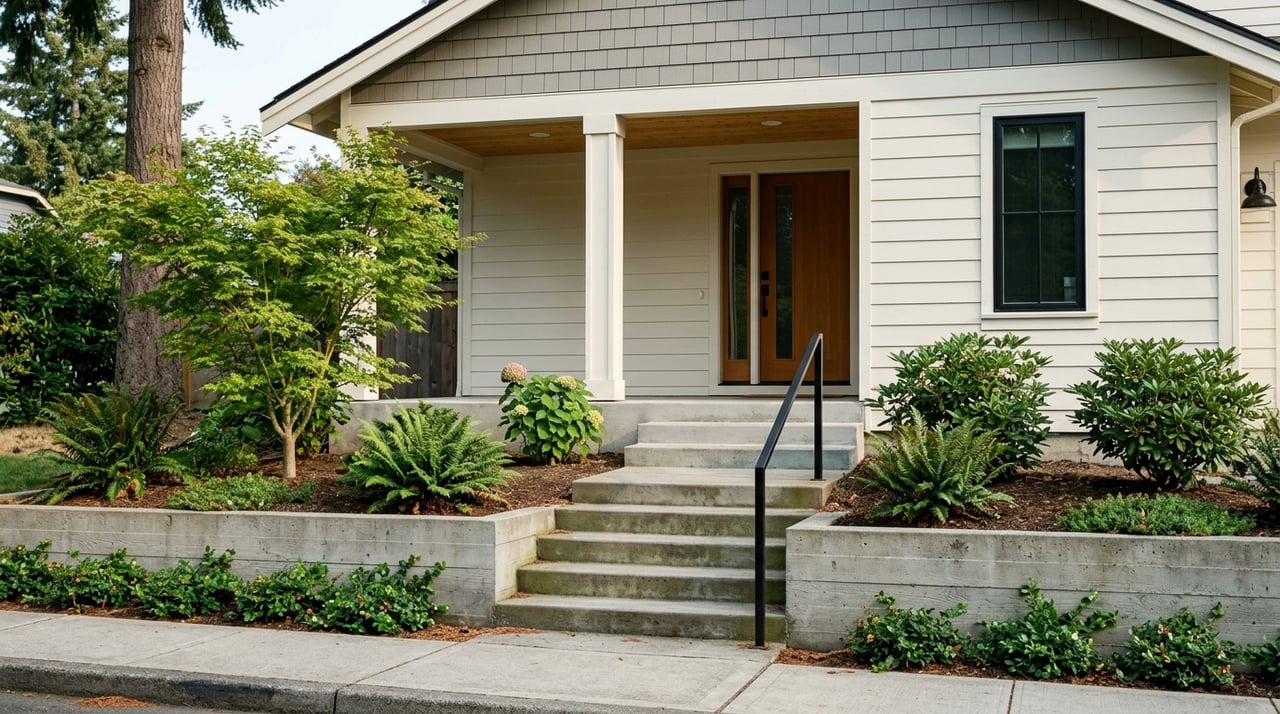
Wondering whether Edmonds Bowl or the surrounding hills feel more like home? It is a smart question, because in Edmonds, a change in elevation can also mean a different daily routine, housing style, and price point. If you are trying to balance walkability, views, privacy, and long-term flexibility, this guide will help you compare the two with more confidence. Let’s dive in.
Edmonds Bowl at a Glance
Edmonds Bowl is the lower, in-town area around downtown and the waterfront. The City of Edmonds describes this part of the community as offering access to a compact, walkable downtown, water views, and views of the Olympic Mountains.
In practical terms, the Bowl often appeals to buyers who want to be close to everyday destinations. Downtown, the waterfront, beaches, parks, ferry access, commuter rail, buses, and Amtrak are all part of the broader in-town lifestyle the city highlights.
The housing mix is also broader here than in many hillside areas. According to the city’s historic survey, the Bowl and downtown include houses, small-scale commercial buildings, institutional buildings, condominiums, and larger apartment buildings near downtown.
Surrounding Hills at a Glance
The surrounding hills sit higher on the slopes above the Bowl and often feel more residential and spread out. These areas are typically more associated with detached homes, larger yards, and homesites that may capture wider views.
If you picture a quieter setting with more separation from commercial activity, the hills may line up better with your goals. Many buyers are drawn to the extra space, more private feel, and the possibility of view lots.
Still, the hills are not one single type of neighborhood. Some areas are modest and primarily residential, while others include premium properties with large lots, major Puget Sound views, or waterfront access.
Daily Lifestyle Differences
Bowl life is more walkable
If your ideal routine includes walking to coffee, restaurants, parks, or the waterfront, Edmonds Bowl usually has the edge. The city specifically points to the convenience of its compact downtown, along with nearby ferries, transit, beaches, and waterfront parks.
This can make it easier to live with less driving day to day. For some buyers, that convenience is the main reason the Bowl stands out.
Hillside living offers more separation
The hills usually trade some walkability for a calmer residential setting. You may be more likely to drive for errands or dining, but in return you may get more lot space, more privacy, and stronger view potential.
That trade-off is not always as sharp as it used to be. The city’s Neighborhood Centers and Hubs program is steering future investment toward more walkable mixed-use nodes outside the Bowl, which could make some non-Bowl areas more convenient over time.
Outdoor access matters in both areas
Edmonds as a whole supports an outdoors-oriented lifestyle. The city notes the planned Greenway Loop as a nearly 20-mile pedestrian- and bike-oriented path connecting parks, schools, and open spaces.
That means your choice is less about whether Edmonds offers recreation and more about how close you want to be to downtown and the waterfront versus a more elevated residential setting.
Housing Stock and Lot Patterns
The Bowl has the most variety
One of the clearest differences is housing type. In the Bowl, you are more likely to see a mix of older houses, condos, apartments, and homes close to downtown activity.
That variety can create more options for buyers with different budgets or lifestyle goals. It can also appeal to sellers because the buyer pool may include people looking for in-town living, lower-maintenance homes, or easy access to downtown Edmonds.
The hills lean toward detached homes
The surrounding hills more often reflect low-density residential patterns. Historically, Edmonds site standards ranged from minimum lot sizes of 6,000 square feet in RS-6 zones up to 20,000 square feet in RS-20 zones, with a 25-foot height limit across those single-family categories.
In 2025, Edmonds replaced its old RS single-family zone with Low-Density Residential overlays. The city says detached single-family homes remain allowed, and existing height, setback, and lot-coverage standards were preserved where possible.
For you as a buyer or seller, the big takeaway is simple: hillside properties often offer more traditional detached-home living, but parcel-specific zoning matters more than the neighborhood nickname.
Views, Privacy, and Slope Considerations
A higher location does not just change the scenery. It can also change the type of property you are buying.
The city’s urban forest plan identifies the Bowl and the west-facing slopes of north Edmonds as primary view areas. That helps explain why some hillside properties carry a premium when they combine view, privacy, and larger lots.
At the same time, the city notes that some of these hillside properties sit on significant slopes with landslide considerations. If you are comparing view properties, it is worth looking closely at the site itself, not just the view from the deck.
For waterfront, bluff, or slope-sensitive homesites, details matter. This is one reason experienced local guidance can be especially helpful when you are evaluating a property beyond the basics of square footage and finishes.
Price Differences Are Not Always Simple
Many buyers assume the hills automatically cost more because they sit higher. In Edmonds, the data shows the story is more nuanced.
Redfin reports that over the last three months, Edmonds Bowl had a median sale price of $1.35 million. Homes there went pending in about 6 days and sold about 1.7% over list price.
By comparison, Redfin reports Westgate at $959,000 and Seaview at about $1.1 million over the same period, with both also described as highly competitive. That points to a downtown and in-town premium in many cases.
Why? Walkability, proximity to downtown, and access to the waterfront often carry strong value. Buyers are not only paying for the home itself. They are also paying for the routine that comes with the location.
On the other hand, some hillside pockets can jump far above the averages when they offer special features. In Talbot Park, for example, current listings range from land priced at $340,000 to waterfront properties in the multimillion-dollar tier, including a home listed at $3.69 million with 100 feet of frontage.
The lesson is clear: elevation alone does not set value. In Edmonds, price usually reflects the combination of exact location, view, privacy, lot size, condition, and whether the property is standard or highly unique.
Which Area Fits Your Priorities?
Choose the Bowl if you want convenience
Edmonds Bowl may be a better fit if you want:
- Walkable access to downtown destinations
- Closer proximity to ferries, rail, buses, parks, and the waterfront
- A wider mix of housing types
- An in-town lifestyle with less day-to-day driving
Choose the hills if you want space
The surrounding hills may be a better fit if you want:
- More privacy and separation from downtown activity
- A detached-home feel with larger yards more often available
- Better odds of finding a view-oriented lot
- A quieter residential setting, even if errands require a short drive
Keep future plans in mind
Your decision should also reflect what you may want later. Edmonds updated its housing code in 2025, replacing the older single-family zoning structure with Low-Density Residential overlays and allowing middle housing as required by Washington law in areas that were previously single-family only.
If you are thinking about remodeling, expanding, building an ADU, or holding a property for long-term flexibility, it is important to look at the specific parcel and current code rather than relying only on neighborhood labels.
A Smart Way to Compare Homes
When clients compare Edmonds Bowl to the surrounding hills, the best answer usually comes from matching the property to the life you want to live. A beautiful view may be worth the extra drive for one buyer, while another would gladly trade some lot size to walk downtown on a regular basis.
It also helps to compare homes through a local lens. Two properties with similar prices can deliver very different value depending on view quality, slope, privacy, lot usability, and access to downtown.
If you are buying or selling in Edmonds, a neighborhood-by-neighborhood strategy matters. For tailored local guidance on Edmonds Bowl, hillside neighborhoods, waterfront opportunities, or properties with future flexibility, call or text Pete Keating.
FAQs
What is the difference between Edmonds Bowl and the surrounding hills?
- Edmonds Bowl is the lower in-town area around downtown and the waterfront, while the surrounding hills are the higher residential areas on the slopes above it, often with more privacy and view potential.
Is Edmonds Bowl more walkable than hillside neighborhoods?
- Yes. The city highlights the Bowl’s access to compact downtown amenities, transit, ferries, beaches, and waterfront parks, which generally supports a more walkable daily routine than most hillside addresses.
Are homes in Edmonds Bowl more expensive than homes in nearby hills?
- Often, but not always. Recent Redfin data shows a higher median sale price in Edmonds Bowl than in Westgate or Seaview, but certain hillside or waterfront properties can exceed Bowl prices when they offer major views, privacy, or larger lots.
Do Edmonds hillside properties come with special site considerations?
- Some do. The city notes that certain hillside properties are on significant slopes with landslide considerations, so site-specific review is important when evaluating those homes.
Does Edmonds zoning matter when comparing neighborhoods?
- Absolutely. Edmonds updated its housing code in 2025, so detached homes remain allowed in low-density areas, but parcel-specific zoning and overlays now matter more if you are considering future remodeling, expansion, or redevelopment.
Are the surrounding hills all the same type of market in Edmonds?
- No. The hills are not one uniform market. Some areas are more typical low-density residential neighborhoods, while others include premium view lots, waterfront homes, or land parcels with very different pricing and features.