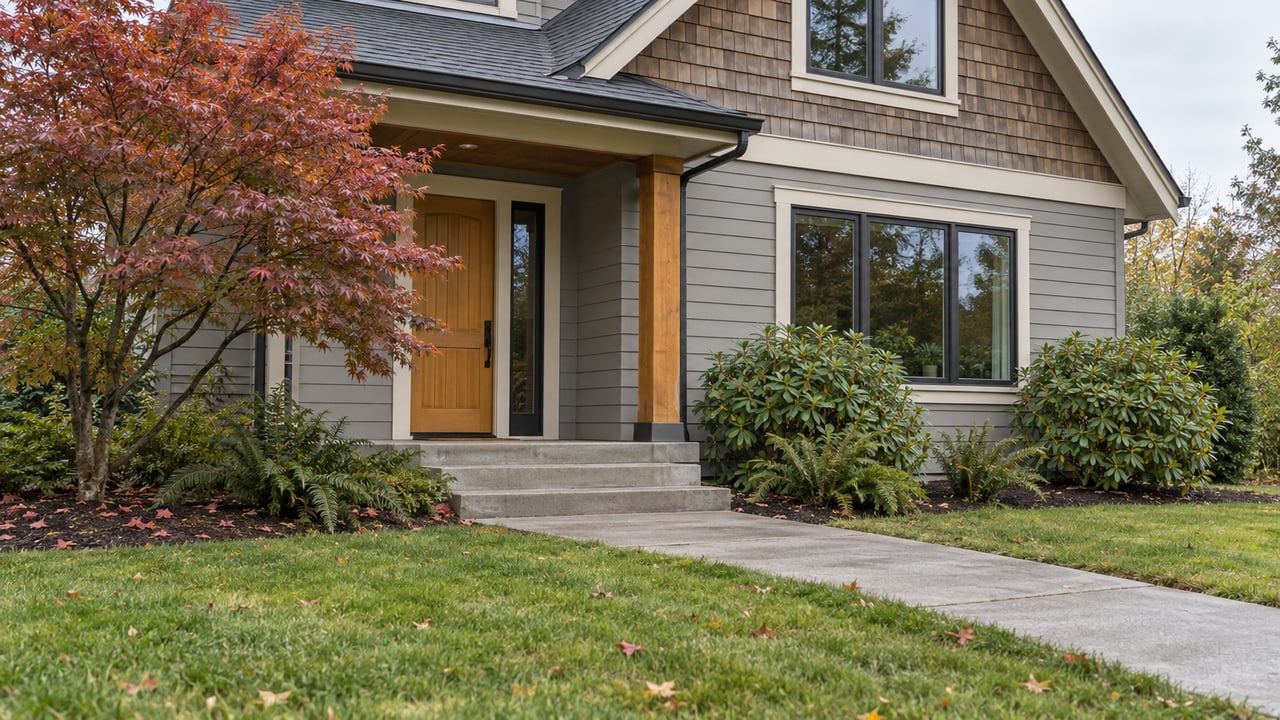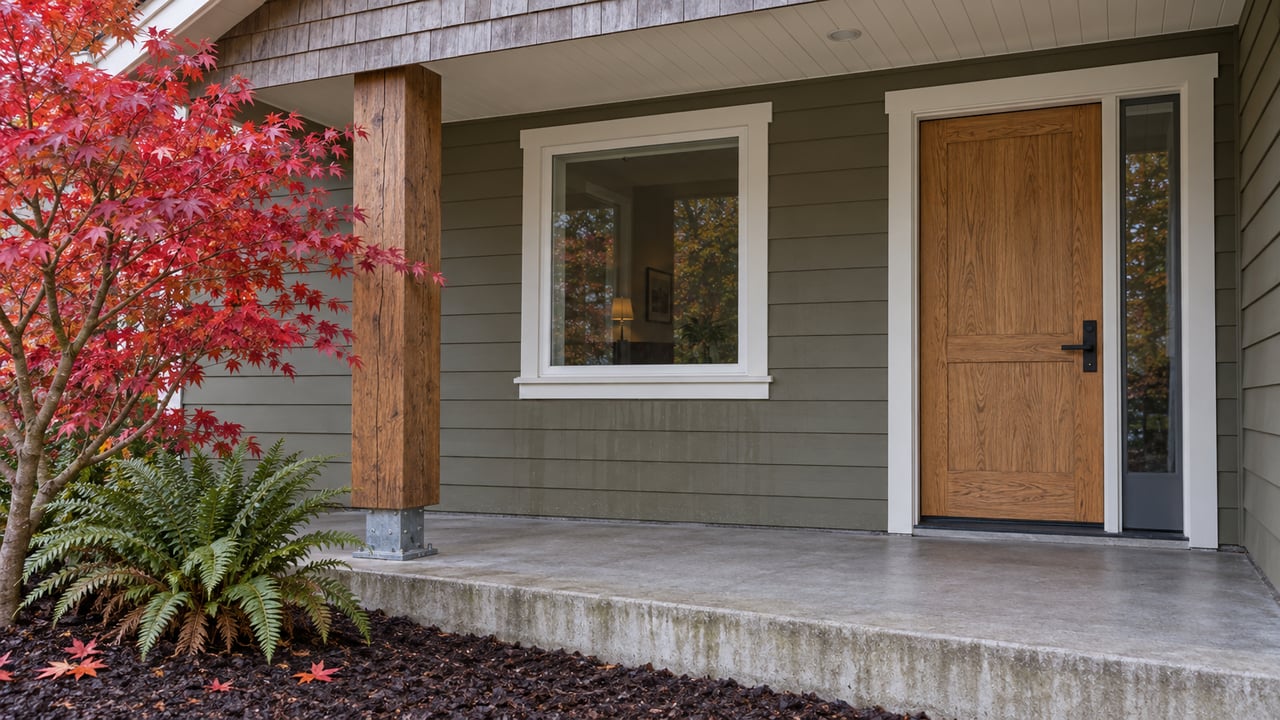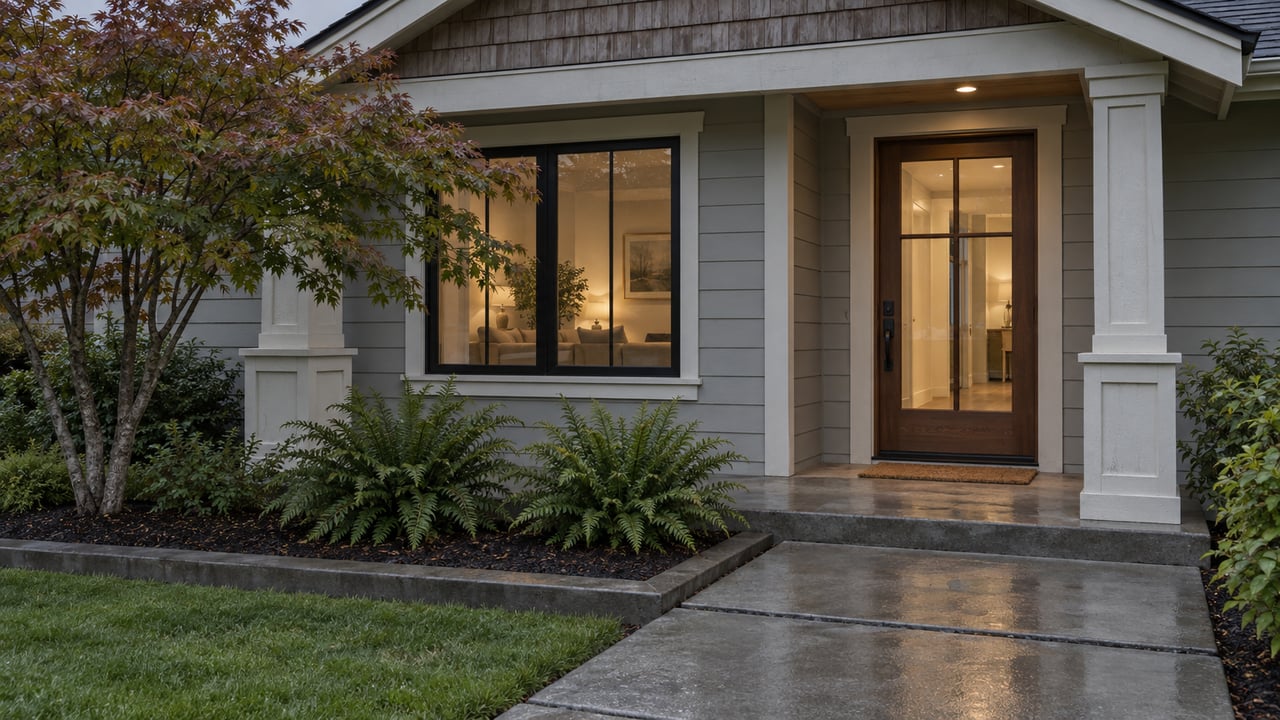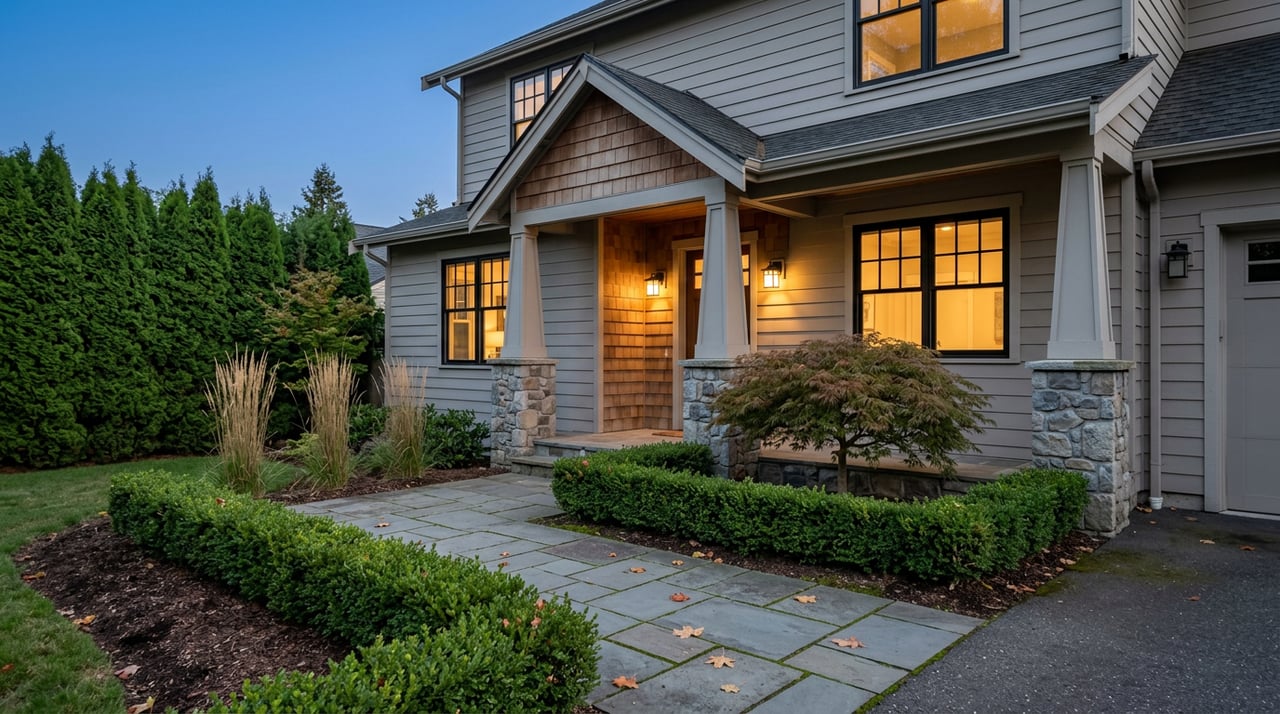
If you are trying to choose between a single-family home and a townhome in Shoreline, you are not alone. It is one of the most common tradeoffs buyers face here because Shoreline offers both long-established detached neighborhoods and a growing supply of newer attached housing. The right fit depends less on which property type is "better" and more on how you want to live, what you want to maintain, and how you want to spend your housing budget. Let’s break it down.
Shoreline Housing Today
Shoreline still leans heavily toward detached housing. According to the city’s 2022 housing profile, Shoreline had 23,505 housing units, and about 70% were single-family homes. The same city analysis also notes that 77% of Shoreline land is zoned for single-family residential development.
That said, townhomes are becoming a more visible part of the local housing mix. Shoreline’s 2025 performance report says the city completed 38 townhomes in 2025 and issued permits for 97 more townhouse units. If you are shopping in Shoreline today, that means you are looking at a market where detached homes still dominate, but attached options are steadily growing.
Single-Family Homes in Shoreline
Single-family living in Shoreline covers a wide range of homes and lot types. City planning materials describe everything from pre-World War II houses to newer LEED-certified homes, with lot sizes that range from modest parcels to larger view properties. In practical terms, a detached home in Shoreline might be an older bungalow, a mid-century house, or a newer rebuild.
For many buyers, the biggest draw is control. With a detached property, you usually have more privacy, more yard space, and more freedom over how you use the lot, subject to city rules. That can matter if you want outdoor space, more distance from neighbors, or future flexibility.
Shoreline also allows two ADUs per lot, which may appeal if you are thinking long term. Depending on the property and zoning, that could create options for future living space or a more flexible property setup. Still, every lot is different, and what is possible depends on local development rules and site conditions.
What Single-Family Ownership Often Means
More freedom usually comes with more responsibility. The city notes that zoning affects what can be built, where structures can sit, and how many homes or ADUs a site can support. Shoreline also says tree removal may require permission, owners may be responsible for prior unpermitted work, and some lots are affected by critical areas, drainage, stormwater, or slope constraints.
That means a detached-home purchase often calls for deeper property-specific due diligence. You are not just buying the house itself. You are also taking on the roof, siding, paint, yard, drainage, and the site conditions that come with the lot.
Townhomes in Shoreline
Townhomes are an increasingly important option in Shoreline. The city treats townhouses as part of its middle-housing strategy, and local design standards are meant to make them feel more residential and functional. Shoreline’s adopted standards emphasize street-facing facades and entries, garages that do not dominate the building front, and screened waste-storage areas.
From a lifestyle standpoint, townhomes often appeal to buyers who want a more compact footprint and less private outdoor upkeep. Many newer Shoreline townhomes feature attached garages and shared site elements instead of large yards. If you want a more lock-and-leave lifestyle, that setup can be a real advantage.
Townhomes also cover a fairly wide price range in Shoreline. Current market inventory shows 18 townhouses for sale with a median listing price of $725,000, and visible listings range from about $370,000 to $931,990. That range suggests townhomes can serve very different budgets, depending on size, location, and whether the home is newer or more entry-level.
What Townhome Ownership Often Means
The tradeoff with townhome living is that less direct maintenance often comes with more shared decision-making. Shoreline’s townhouse standards require maintenance responsibilities for shared facilities to be addressed in CC&Rs. In many cases, that means owners share obligations tied to common areas or exterior elements.
Washington law makes another key point clear. In many common interest communities, buyers automatically become members of the association and are subject to its governing documents, annual assessments, and budget structure. The resale certificate must also include important records such as governing documents, recent association records, and a summary of the reserve study.
For you as a buyer, that means the HOA paperwork matters. Monthly dues may help cover exterior or common-area work, but dues, reserve strength, rules, and the risk of special assessments can all affect affordability and day-to-day living. A townhome that looks simpler on the surface still needs careful review.
Comparing Daily Life
The easiest way to compare single-family and townhome living in Shoreline is to think about your day-to-day priorities. The choice often comes down to what matters most to you after move-in.
Choose a Single-Family Home if You Want
- More yard space
- More privacy from shared walls
- Greater control over the property
- Potential ADU flexibility
- Space for future expansion, if allowed
Choose a Townhome if You Want
- A smaller footprint
- Less exterior upkeep handled directly by you
- A more lock-and-leave setup
- A newer attached-home option in Shoreline’s growing inventory
- A price point that may differ from detached homes depending on the property
Cost Is More Than the Price Tag
It is easy to compare listings by sale price alone, but that only tells part of the story. Redfin’s Shoreline market page shows a median sale price of about $769,603 in April 2026. That is close to the current townhome listing median, which suggests townhomes in Shoreline are not always a simple budget shortcut.
Instead, the better comparison is total ownership cost. With a single-family home, you may pay more directly for repairs, exterior work, landscaping, and site upkeep. With a townhome, you may trade some of that for monthly dues and shared costs, while also accepting association rules and the possibility of special assessments.
Detached-home listings in Shoreline also show how broad that segment can be. Current listings include examples around $795,000 and $830,000, while some areas skew much higher. In other words, both property types can overlap in price, but they may feel very different in how you live in them and what you are responsible for.
Questions to Ask Before You Decide
Before you choose one path over the other, it helps to ask a few practical questions.
Ask These About a Single-Family Home
- How much yard work and exterior maintenance are you comfortable handling?
- Do you want room for future expansion or ADU potential?
- Is the lot affected by tree rules, drainage issues, slope conditions, or critical-area constraints?
- Are there signs of prior unpermitted work that need more review?
Ask These About a Townhome
- What do the monthly dues cover?
- How strong is the HOA budget and reserve study?
- Are there shared maintenance obligations or rules that could affect daily life?
- Is there any sign of future special-assessment risk?
Which Option Fits Best in Shoreline?
In Shoreline, single-family homes are often the better fit if you want more privacy, more outdoor space, and more direct control over the property. They can also make sense if you are thinking about long-term flexibility, especially with ADU potential in mind. That said, detached ownership usually asks more of you in upkeep, planning, and due diligence.
Townhomes often make the most sense if you want lower day-to-day exterior responsibility, a more compact lifestyle, and a home that may feel easier to leave for weekends or travel. They are also a growing part of Shoreline’s housing supply, especially as the city adds more middle housing. The tradeoff is that shared rules, dues, and association finances become part of the ownership picture.
There is no one-size-fits-all answer. The smart move is to compare not just the homes, but also the lot, ownership structure, monthly costs, and how each option supports your lifestyle now and a few years from now.
If you want help weighing your options in Shoreline, local guidance can make the decision much clearer. Call or text Pete Keating for a local market consultation.
FAQs
Is a single-family home or townhome more common in Shoreline?
- Single-family homes are still more common. Shoreline’s 2022 housing profile says about 70% of the city’s 23,505 housing units were single-family, and 77% of Shoreline land is zoned for single-family residential development.
Are townhomes in Shoreline always cheaper than single-family homes?
- Not always. Current Shoreline townhome inventory shows a median listing price of $725,000, while the citywide median sale price was about $769,603 in April 2026. The better comparison is total ownership cost, including dues, maintenance, and repairs.
Do Shoreline townhomes usually have HOAs?
- Many do, especially when they are part of a common interest community. Under Washington law, buyers in those communities become members of the association and are subject to governing documents, budgets, and assessments.
Can a single-family home in Shoreline offer ADU potential?
- Potentially, yes. Shoreline allows two ADUs per lot, but what you can do depends on zoning, site conditions, and other city development rules.
What should you review before buying a townhome in Shoreline?
- Review the HOA dues, governing documents, resale certificate, association records, and reserve study summary. These can affect both your monthly cost and your risk of future special assessments.
What should you review before buying a single-family home in Shoreline?
- Review property-specific issues such as zoning, tree restrictions, drainage, slope conditions, critical-area constraints, and any signs of prior unpermitted work. Those factors can affect both ownership costs and future plans.