Looking for a place where an afternoon bike ride, a waterfront walk, and an easy regional commute can all be part of the same day? That is a big part of what draws people to Kenmore’s stretch of the Burke-Gilman Trail. If you are considering a move, planning a sale, or simply trying to understand the lifestyle here, this guide will show you how the trail connects daily routines, parks, housing, and local gathering spots in Kenmore. Let’s dive in.
Why the Burke-Gilman Matters in Kenmore
The Burke-Gilman Trail is one of the defining features of life in Kenmore. It is a roughly 20-mile paved regional trail that runs from Seattle’s Shilshole Bay to Bothell, where it connects with the Sammamish River Trail. In Kenmore, the trail works as both a recreation route and an important bike-commuter corridor linking Seattle and the Eastside.
That dual role matters when you think about everyday living. You are not just near a scenic path. You are near a route that supports walking, jogging, biking, and other nonmotorized travel while tying Kenmore into a wider regional network.
Accessibility also adds to the trail’s appeal. The trail is ADA accessible, and Log Boom Park is one of Kenmore’s access points, which helps make the waterfront and trail system more usable for a wide range of visitors and residents.
Kenmore’s Waterfront Feel
Kenmore’s trail experience stands out because it is woven into the city’s shoreline setting. The city has 7.8 miles of shoreline along the Sammamish River, Swamp Creek, and the north tip of Lake Washington. That gives the trail a backdrop that feels more connected to water and open space than a typical urban path.
The result is a lifestyle that feels flexible and outdoors-forward. You can get around by highway, bike and foot trails, or water, which reinforces Kenmore’s reputation as a place where movement and recreation are built into the setting.
For many buyers, that combination creates real day-to-day value. Instead of driving somewhere else to enjoy the outdoors, you may find that shoreline access, paved trail time, and neighborhood parks are already part of your routine.
Parks Along the Trail Lifestyle
The Burke-Gilman in Kenmore is best understood as part of a larger park system. The City of Kenmore maintains 8 parks and more than 93 acres of parkland. The system emphasizes waterfront access, boardwalks, public art, skate facilities, playgrounds, and connection to the natural environment.
That matters because the trail does not feel isolated. It connects with places where you can stop, launch a kayak, sit by the water, or meet up with friends and family.
Log Boom Park
Log Boom Park is one of the clearest examples of the trail-meets-waterfront lifestyle. This 3.9-acre park offers more than 1,200 lineal feet of Lake Washington shoreline, a sandy beach, lake access, hand-carry watercraft launching, a public dock with daytime moorage, and direct access to the Burke-Gilman Trail.
It is the kind of place that can shape how a weekend looks. You might head out for a walk or ride, pause by the dock, or watch seaplanes land on the lake. For buyers comparing north King County communities, this kind of direct waterfront access can make Kenmore memorable.
Rhododendron Park
Rhododendron Park offers a different kind of everyday value. The park is centrally located in Kenmore and includes river access, a floating dock for hand-powered watercraft, a boathouse, walkways, boardwalks, two play areas, and the Kenmore Senior Center.
This adds a more neighborhood-centered dimension to the trail lifestyle. It is not only about long rides or scenic views. It is also about having practical, nearby outdoor spaces that support a range of daily activities.
ƛ̕ax̌ʷadis Park
ƛ̕ax̌ʷadis Park adds wetlands, wooded areas, and habitat restoration to the mix. The park includes accessible pathways, pedestrian bridges, viewing decks, and hand-carry watercraft launch facilities along the Swamp Creek shoreline.
For people who value quieter outdoor spaces, this helps round out what Kenmore offers. You get a trail corridor that is active and connected, but also access to natural areas that feel a little more tucked away.
Saint Edward State Park Nearby
Saint Edward State Park gives Kenmore residents another nearby outdoor destination. It is a day-use park with forested trails and Lake Washington shoreline, with activities that include biking, hiking, and paddleboarding.
This broader network of outdoor spaces strengthens Kenmore’s appeal for buyers who want more than a single amenity. The trail is important, but it works even better because it sits within a larger pattern of waterfront and park access.
Housing Near the Trail
Kenmore’s housing story is one of established neighborhoods with growing variety. Census QuickFacts reports a 69.7% owner-occupied housing rate and a median value of $869,800 for owner-occupied homes. The City of Kenmore’s 2026 demographics page reports 72.5% owner-occupied units and a median owner-occupied value of $967,400.
Those figures come from different source years and methods, but they point in the same direction. Kenmore is a relatively high-value, ownership-oriented market, and that shapes expectations for buyers and sellers alike.
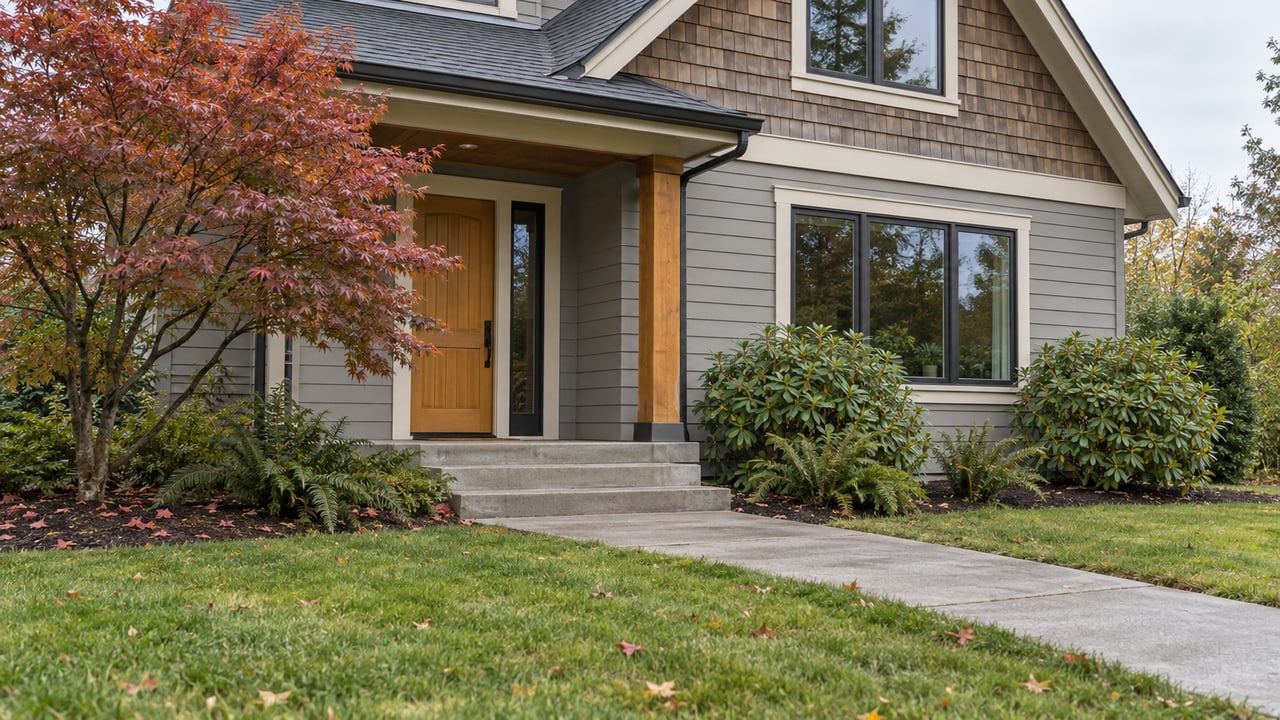
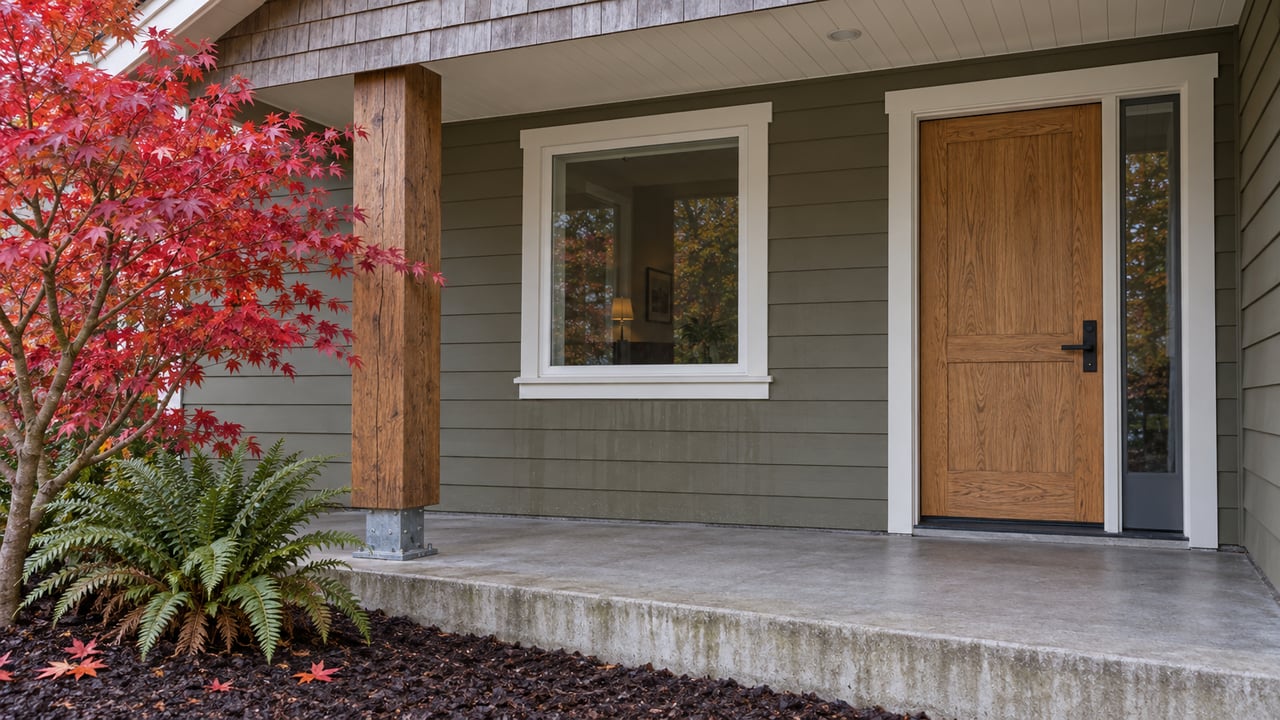
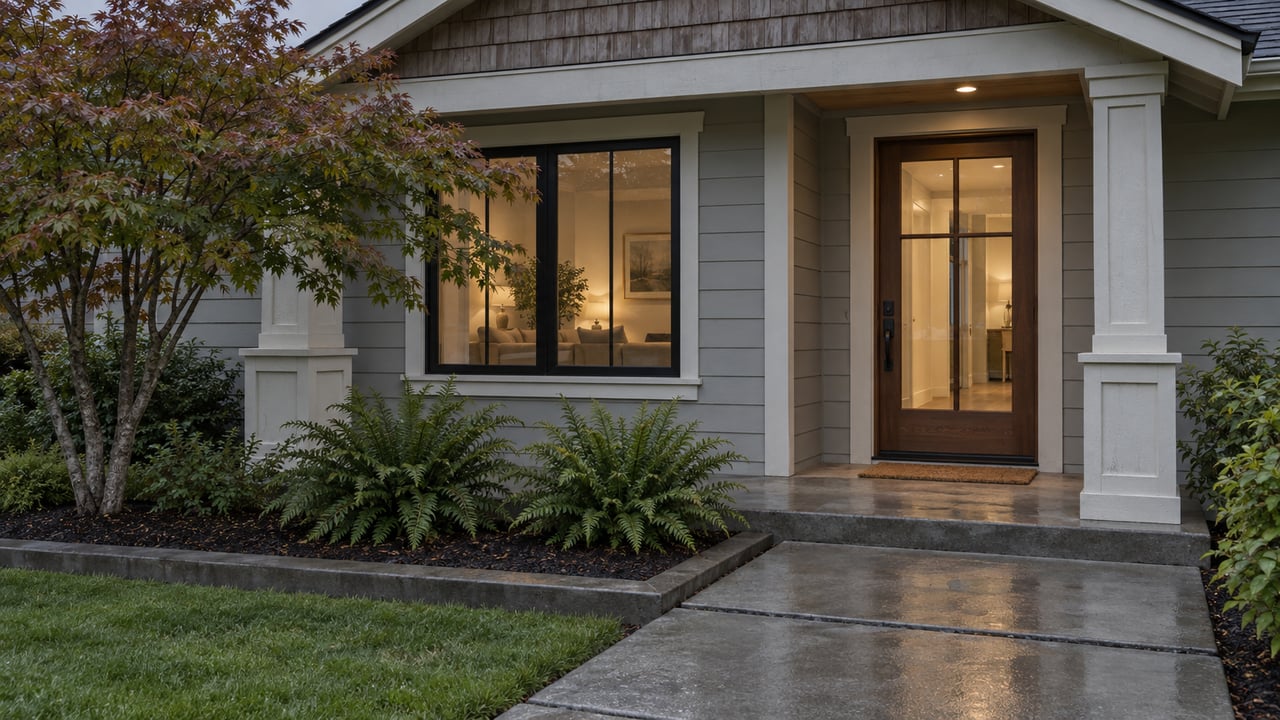
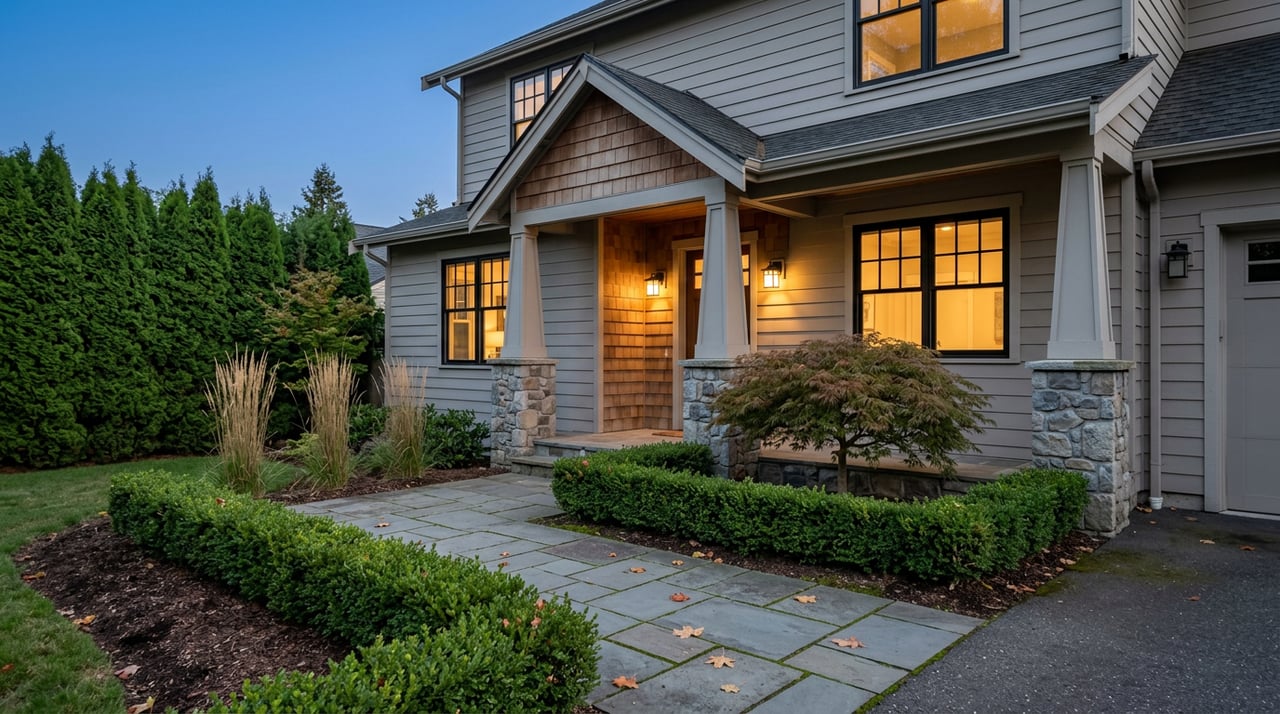
The city also describes Kenmore as having attractive neighborhoods, many with lake views and mid-century architecture. In practical terms, that often means established residential streets with a strong sense of place rather than a market defined only by brand-new development.
What Buyers May Find
If you are home shopping with the trail lifestyle in mind, Kenmore offers a mix rather than a single housing type. Much of the city is still shaped by established detached homes, while current housing policy points toward more duplexes, triplexes, townhomes, accessory dwelling units on single-family lots, and mixed-use or higher-density housing in Downtown Kenmore and along the SR-522 corridor.
That makes Kenmore especially interesting if you want options. Depending on location, you may find established single-family homes, properties with ADU potential, or more compact housing choices closer to downtown and major corridors.
What Sellers Should Keep in Mind
If you are selling a home near the Burke-Gilman or within Kenmore’s broader trail-and-waterfront lifestyle area, your property story matters. Buyers are often looking at more than square footage. They are paying close attention to trail access, park proximity, shoreline amenities, commute flexibility, and the overall feel of established neighborhoods.
That is especially true for homes with features that align with local demand, such as lake-oriented settings, ADU-capable lots, or premium single-family layouts. Positioning those details clearly can help buyers understand the lifestyle value attached to the property.
Getting Around From Kenmore
One reason the Burke-Gilman matters so much is that it fits into a bigger transportation picture. Kenmore is centrally located along SR-522 between I-5 and I-405 and is fewer than 15 miles from downtown Seattle or Bellevue. The city also highlights access by vehicles, buses, boats, seaplanes, and bikes.
That variety supports a practical kind of convenience. You can enjoy a more shoreline-oriented, outdoors-centered setting while still keeping regional access in view.
The Kenmore Park & Ride adds another layer of usefulness. It is served by King County Metro and Sound Transit and includes 603 parking spaces and 12 bike lockers. The city also notes Metro Flex service in south Kenmore, Juanita, and the Northshore area.
For buyers who are balancing commute patterns with lifestyle goals, this mix can be a big advantage. The trail is not just for weekends. It is part of a broader system that supports moving around in different ways.
Local Spots That Add Energy
Kenmore’s trail corridor also has a social side. The city says Brew Row sits adjacent to the Burke-Gilman Trail and includes 192 Brewing, Postdoc Brewing, and Copperworks Distilling Co.
That helps explain why the trail feels like more than infrastructure. It creates a local spine where recreation, movement, and gathering overlap. For some buyers, that makes the area feel more connected and active without losing its waterfront character.
What Life Along the Trail Really Feels Like
When you put it all together, life along Kenmore’s Burke-Gilman Trail is about access. You have access to a regional trail, waterfront parks, river and lake recreation, established residential areas, and transportation options that connect north King County to the rest of the region.
That combination is a big reason Kenmore stands out. It offers a mostly single-family housing base that is gradually becoming more varied, while keeping the natural and recreational features that many people want most.
If you are thinking about buying or selling in Kenmore, it helps to look beyond the map pin. The real value often comes from how the trail, the parks, the shoreline, and the housing options work together in everyday life.
If you want help understanding how Kenmore’s trail-oriented lifestyle fits your home search or your selling strategy, call or text Pete Keating for a local market consultation.
FAQs
What is the Burke-Gilman Trail in Kenmore like?
- In Kenmore, the Burke-Gilman Trail is a paved regional trail used for biking, walking, jogging, and other nonmotorized travel, with strong connections to waterfront parks and regional commuting routes.
What parks connect with the Burke-Gilman Trail in Kenmore?
- Key parks tied to the Kenmore trail lifestyle include Log Boom Park, Rhododendron Park, and ƛ̕ax̌ʷadis Park, with Saint Edward State Park nearby as an additional outdoor destination.
What types of homes are common near the Burke-Gilman Trail in Kenmore?
- Kenmore is known for established neighborhoods with many detached homes, while city housing policy also points toward growing variety through townhomes, duplexes, triplexes, ADUs, and mixed-use or higher-density housing in some areas.
How does Kenmore support commuting and transportation?
- Kenmore offers access via SR-522, nearby regional highways, transit at the Kenmore Park & Ride, bike connections through the Burke-Gilman Trail, and additional local service such as Metro Flex in parts of the area.
Why do buyers pay attention to Kenmore’s trail lifestyle?
- Buyers often value the mix of waterfront access, parks, regional trail connections, established neighborhoods, and flexible transportation options that shape everyday living in Kenmore.